925 Silver vs 999 Silver: Which Is Better for Custom Jewelry?
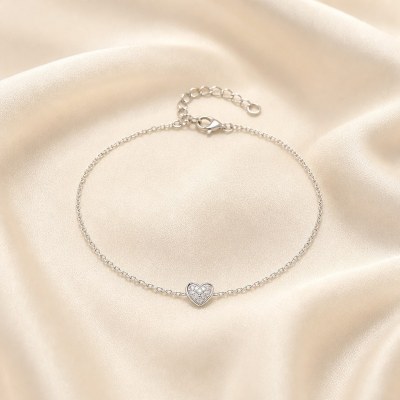
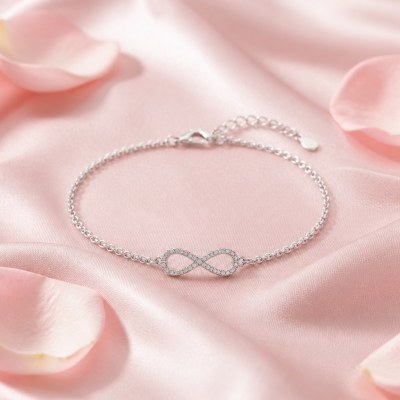
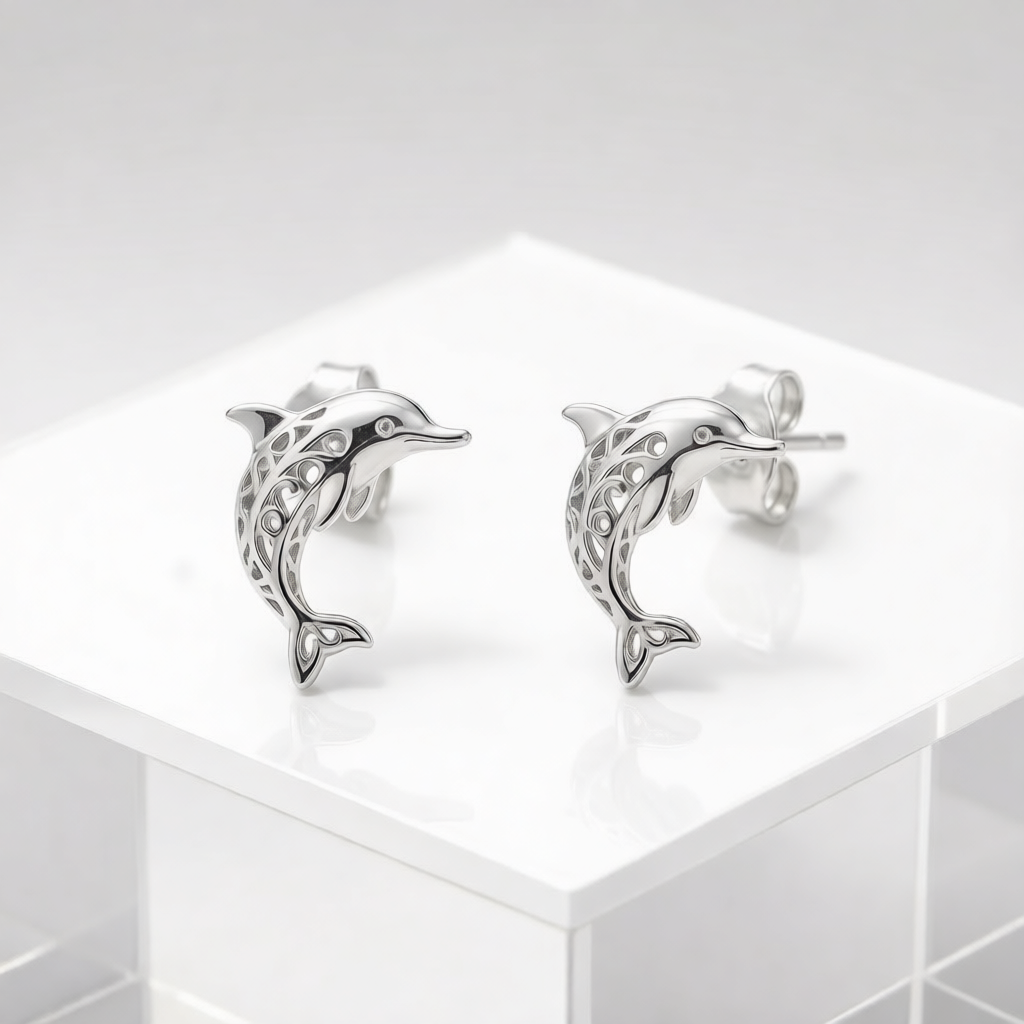
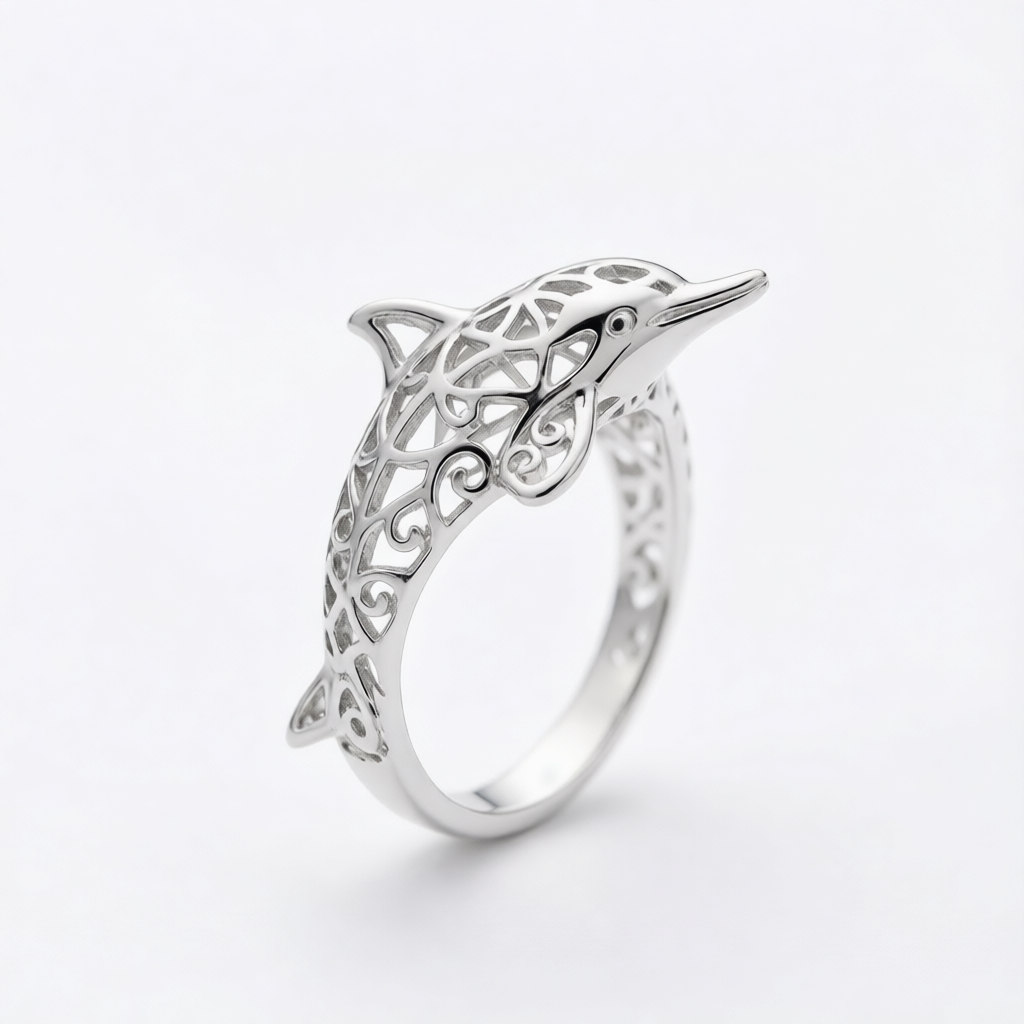
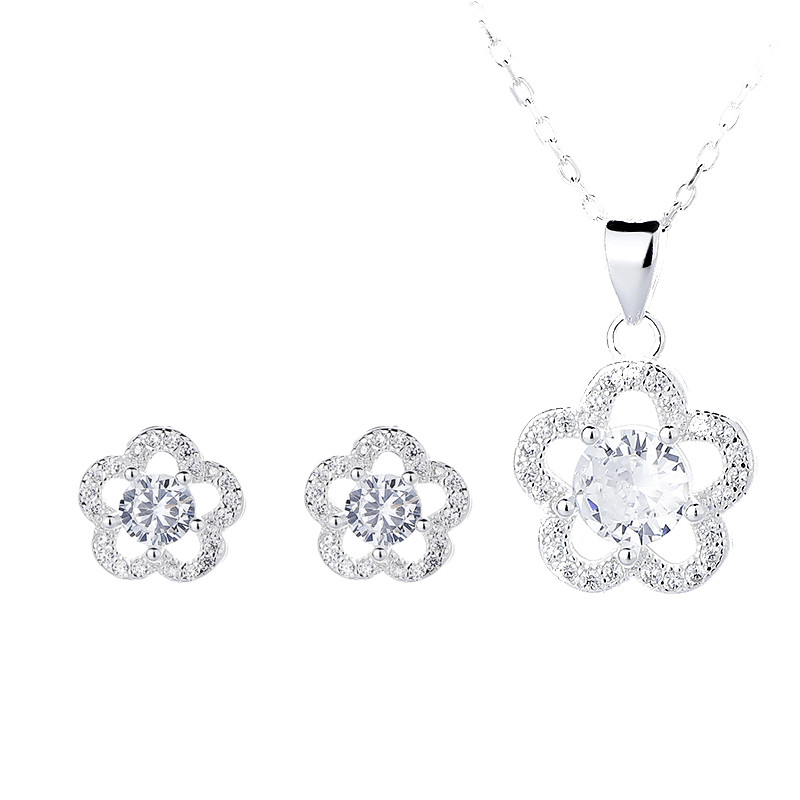
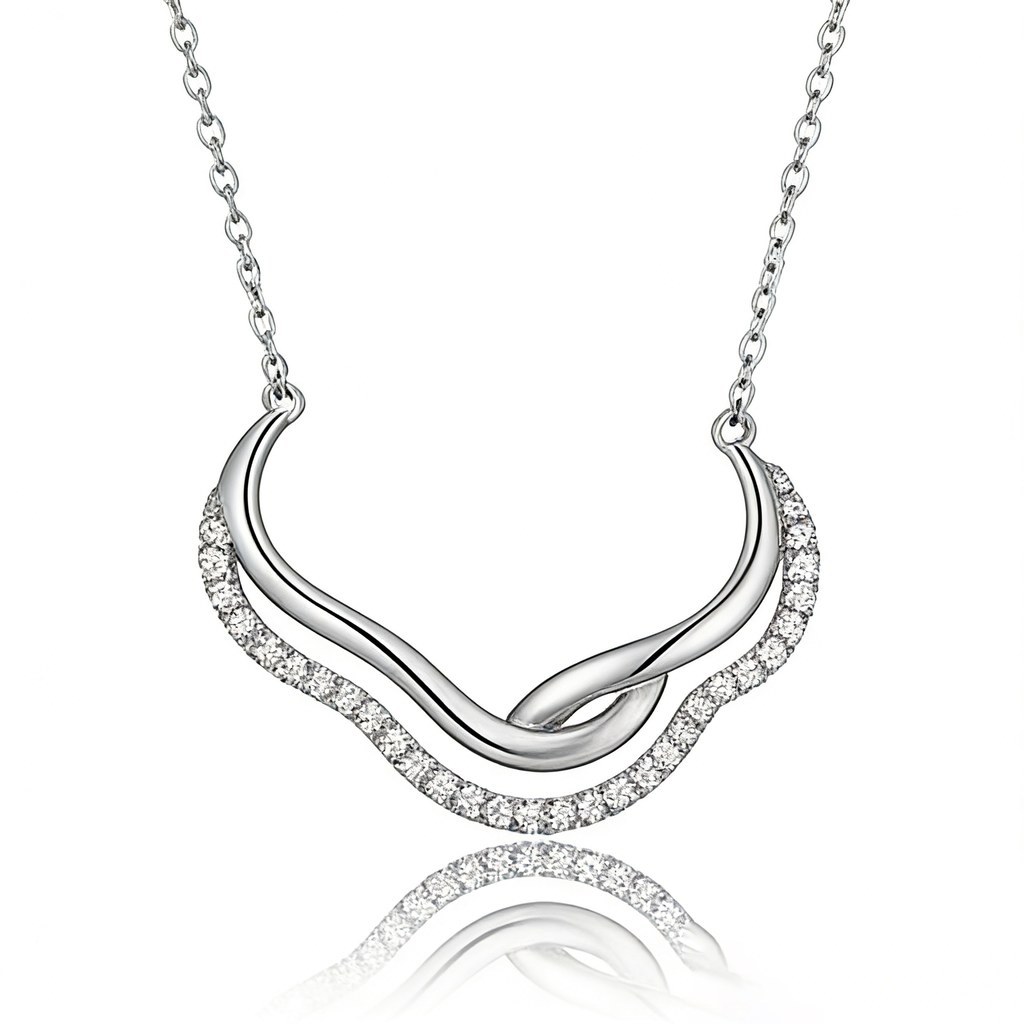
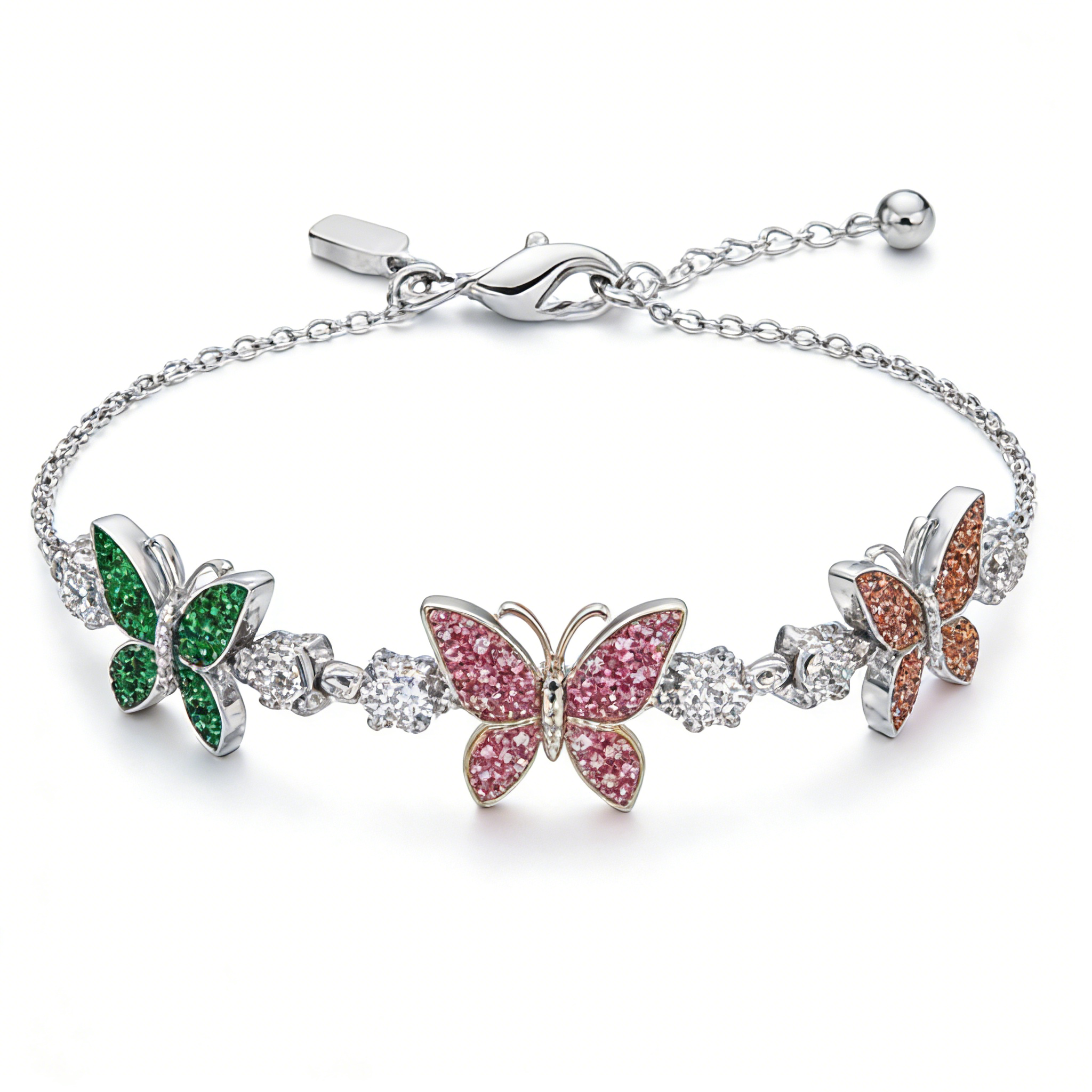
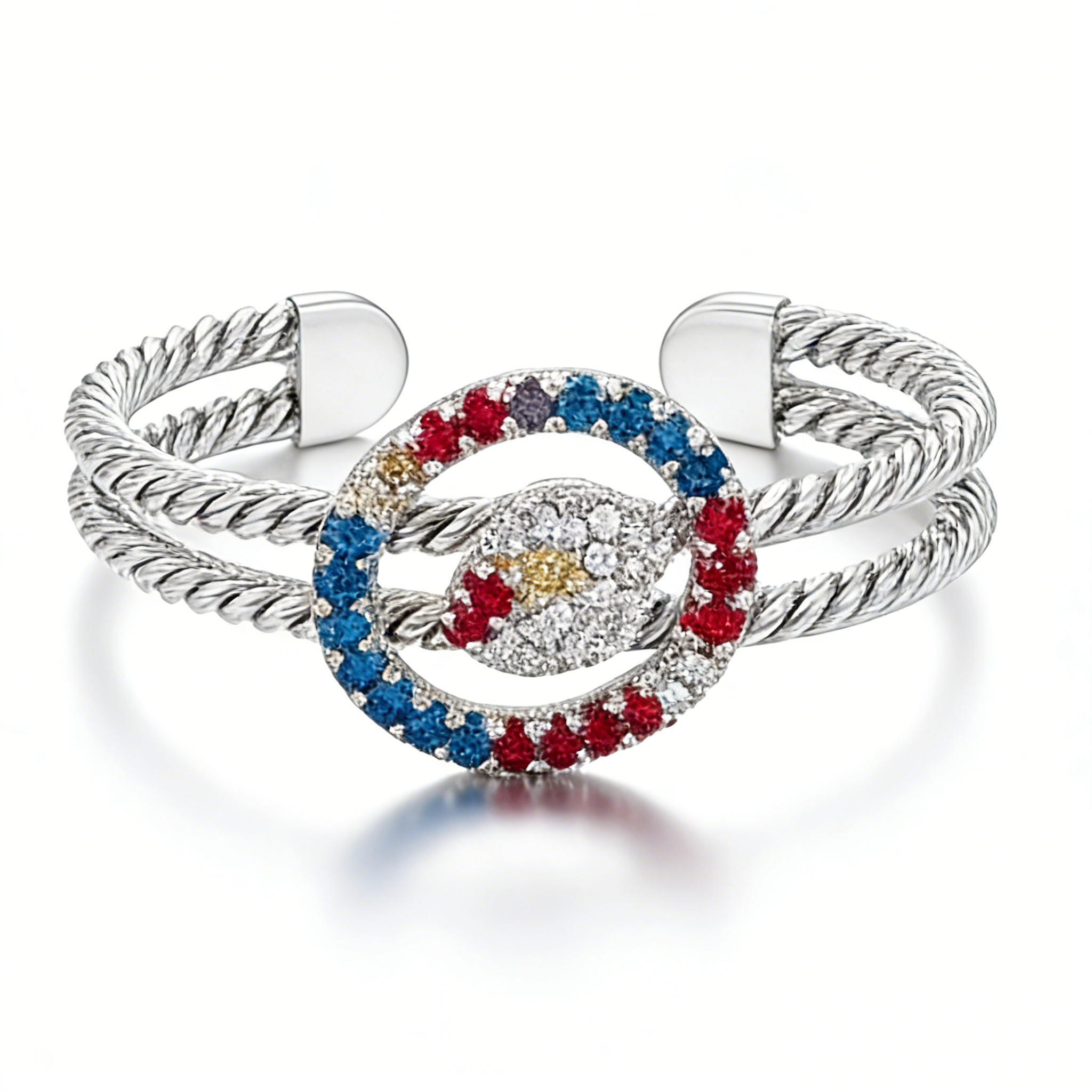
Many buyers assume higher purity always means better quality. For custom jewelry, that assumption can cost you in returns, stone loss, and plating issues. 925 sterling silver is an alloy made of 92.5% pure silver and 7.5% other metals, typically copper. The "925" stamp means the piece meets the international sterling standard. The small amount of alloy is not a cost-cutting trick. Pure silver is naturally soft. Without copper or another hardening metal, it bends, scratches, and loses shape under daily wear. The 7.5% alloy gives sterling silver the strength needed for custom jewelry such as rings, earrings, pendants, and bracelets. 999 fine silver contains 99.9% pure silver. It is the closest commercially available form to pure silver. Because it has almost no alloying metals, it is softer, more malleable, and develops a darker patina faster in some conditions. Fine silver is excellent for investment bars, certain cultural or artisan pieces, and designs where a very soft metal is desirable. However, for jewelry that holds stones, has thin sections, or is worn daily, 999 silver is usually not the best choice. When you build a private-label or OEM/ODM silver line, durability directly affects your return rate and brand reputation. Prongs, bezels, and channels need to stay tight to keep CZ or moissanite stones in place. 925 sterling silver provides enough spring and hardness for these settings. 999 fine silver is more likely to bend or deform, which increases the risk of stones falling out. Filigree, earring hooks, chain links, and thin ring shanks rely on material strength. 925 sterling holds these shapes better during production and daily wear. 999 silver can distort under the same stress. Rhodium, 18K gold, rose gold, and protective top coats adhere well to 925 sterling silver. Our standard plating thickness is in the 0.1–0.3 μm range (our own standard), with other thicknesses available on request. You can read more in our silver plating guide. Both 925 and 999 silver tarnish. Tarnish is a chemical reaction between silver and sulfur compounds in air, sweat, cosmetics, perfume, and some fabrics. It is not a sign of poor quality. Because 999 silver contains less copper, it may tarnish a little more slowly than 925 in some environments. The difference is usually small. With proper care, both materials stay bright for a long time. Simple care tips: For deeper cleaning instructions, see our 925 silver tarnish and care guide. High-quality 925 silver is generally well tolerated by most wearers. Reactions usually come from nickel or other low-quality alloying metals, not from silver itself. At Hengdian Silver, our 925 silver material is lead-free and nickel content is controlled to meet REACH regulations. This makes it a sensible choice for brands that want to offer skin-friendly jewelry without making unverifiable "100% nickel-free" claims. 999 fine silver has a higher silver content per gram, so raw material cost is slightly higher than 925. However, the real cost of a custom jewelry line includes production yield, stone-setting labor, finishing, returns, and repairs. Because 925 sterling is stronger and easier to work with in jewelry manufacturing, it usually delivers better total value for a commercial product line. Lower breakage and fewer stone-loss issues often offset the small material-cost difference. We specialize in custom silver jewelry production for brands, designers, and retailers. Base material is 925 sterling silver, with AAA cubic zirconia or moissanite options. Production options: Yes. 925 silver is 92.5% pure silver mixed with a small amount of alloying metal to improve strength. The "925" stamp is the international standard for sterling silver. Yes, over time. Tarnish is a reaction between silver and sulfur in the environment, not a defect. It can be removed easily with a silver polishing cloth or proper cleaning. See our tarnish care guide for step-by-step instructions. For rings, 925 sterling silver is almost always the better choice. It is harder, holds stones more securely, and resists the bumps and scratches of daily wear better than 999 fine silver. We can discuss it for specific non-stone, heavy, or artisan designs. For most jewelry with stones, plating, or thin details, we recommend 925 sterling silver to ensure durability and production quality. High-quality 925 silver with controlled alloys generally does not turn skin green. Green marks usually come from low-quality plating, nickel-heavy alloys, or reaction with cosmetics and sweat—not from properly made sterling silver. Our futures custom option starts at 25 pieces per style when selected from our design library. For personalized OEM/ODM designs, the MOQ is 100 pieces per style. Sample runs of 3–5 pieces are available for trial before bulk production. A practical example of how 925 sterling silver supports secure stone setting and a clean plated finish for private-label collections.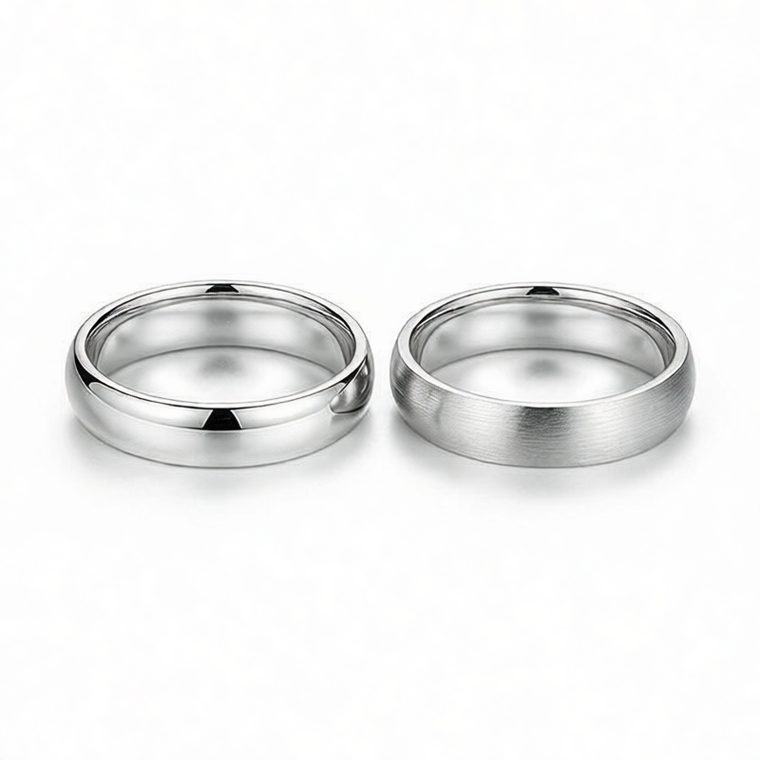
Quick Comparison: 925 vs 999 Silver
Factor
925 Sterling Silver
999 Fine Silver
Silver content
92.5% pure silver + 7.5% alloy (usually copper)
99.9% pure silver
Hardness
Harder, more durable
Softer, more malleable
Best for jewelry
Rings, earrings, necklaces, stone-set pieces
Investment bars, heavy artisan pieces
Stone setting
Prongs and bezels hold stones securely
Settings can bend; stones may loosen
Plating base
Excellent base for rhodium, gold, rose gold
Less stable for plated finishes
Tarnish speed
Tarnishes over time (manageable with care)
Tarnishes slightly slower, but still tarnishes
Typical use in custom lines
Industry standard for OEM/ODM jewelry
Specialty/niche pieces only
What Is 925 Sterling Silver?
What Is 999 Fine Silver?
Durability & Custom Jewelry Suitability
Stone setting security
Thin and detailed designs
Plating and surface finishes
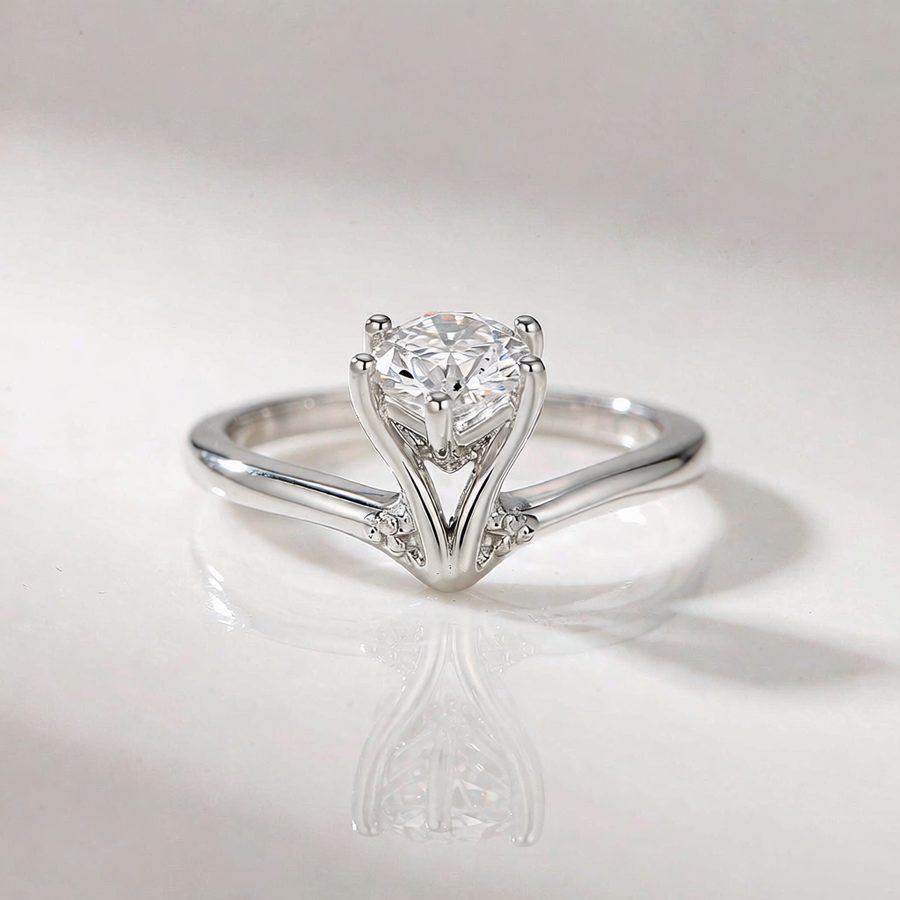
Tarnish & Maintenance
Hypoallergenic & Skin Safety
Cost Consideration
Which Should You Choose for Custom Jewelry?
Design / Use Case
Recommended Metal
Daily-wear rings, earrings, necklaces with CZ or moissanite
925 sterling silver
Thin wire, filigree, or delicate chain designs
925 sterling silver
Rhodium, 18K gold, or rose gold plated finishes
925 sterling silver
Corporate gifts or private-label collections
925 sterling silver
Heavy, non-stone artisan or cultural pieces
999 fine silver (discuss with factory)
Investment bars or collectible silver items
999 fine silver
Custom 925 Silver Jewelry — OEM / ODM
Frequently Asked Questions
Is 925 silver real silver?
Does 925 silver tarnish?
Is 925 or 999 silver better for rings?
Can I request 999 silver for my custom jewelry order?
Will 925 silver turn my skin green?
What is your MOQ for custom 925 silver jewelry?
Related: Custom 925 Silver CZ Ring
Related Reads