How to Find a Reliable Silver Jewelry Manufacturer as a Startup
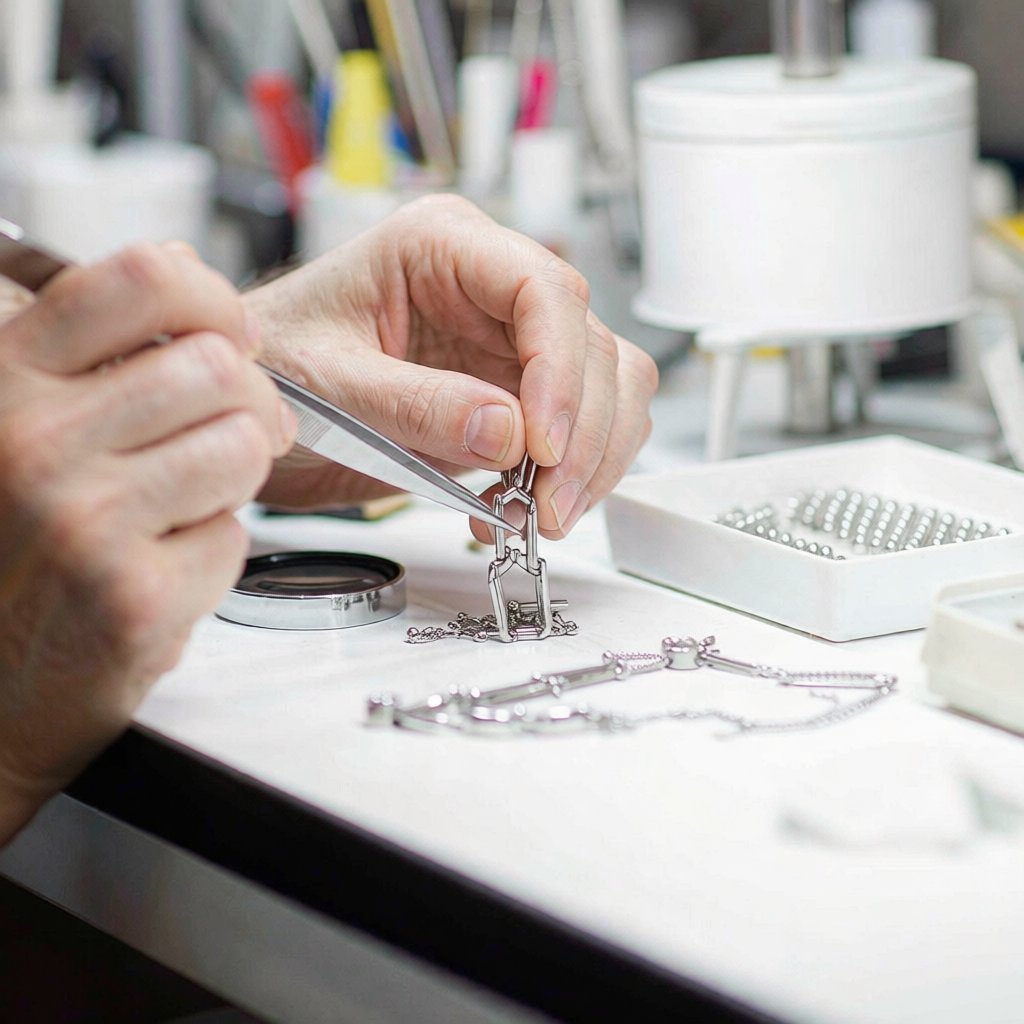
Launching a silver jewelry brand starts with one decision that shapes everything after it: who makes your product. For a new brand or retailer, the right manufacturing partner protects your quality, your margins, and your reputation. This checklist turns "find a factory" into a repeatable vetting process. Ask for mill certificates and third-party test reports for 925 silver — SGS, REACH, RoHS, and ASTM where relevant. A reliable partner shares compliance documents openly because their supply chain is already documented. Treat vague "all sterling" claims as a red flag. Request a 1-piece sample before committing to a run. Watch for: solder joints, stone setting security, plating evenness (0.1–0.3 micron is common for 18K over silver), and tarnish resistance. A partner with a defined 14-step process and a second inspection pass is easier to scale with than one who "checks by eye." For a startup, rigid minimums kill cash flow. Ask how the partner handles a 25-piece style launch versus a 100-piece personalized run, and whether tooling fees are refunded at volume. Flexibility here is a signal of how they treat growing accounts. A 3D drawing in 1–3 days and a physical sample in 7–15 days shows an engaged workshop. Slow, vague replies at the sample stage predict worse support at production scale. Language, timezone, and response cadence are part of the scorecard. Before sending CAD or inspirations, confirm an NDA and a clear policy on "reimagined classics" versus client-exclusive designs. A partner who respects IP boundaries is a long-term asset, not a leak risk. SGS / REACH / RoHS on file, shared proactively. Defined steps + second inspection, not "by eye". 25-pc launch and 100-pc runs, fee refunded at volume. 3D in 1–3 days, sample in 7–15 days. Clear, fast, timezone-aware replies. NDA + exclusive vs shared design policy. Beyond certificates, observe the bench: is there a dedicated QC station, a second inspection pass, and documented process steps? Ask to see a recent defect log. A workshop that tracks its own rejects is one you can trust at scale. Lead with a realistic launch plan: a 25-piece per style first run, then reorder. Frame the partnership as volume-to-come, and ask whether tooling fees are refunded once cumulative orders hit 100 pieces. Many partners flex for accounts that show a clear growth path.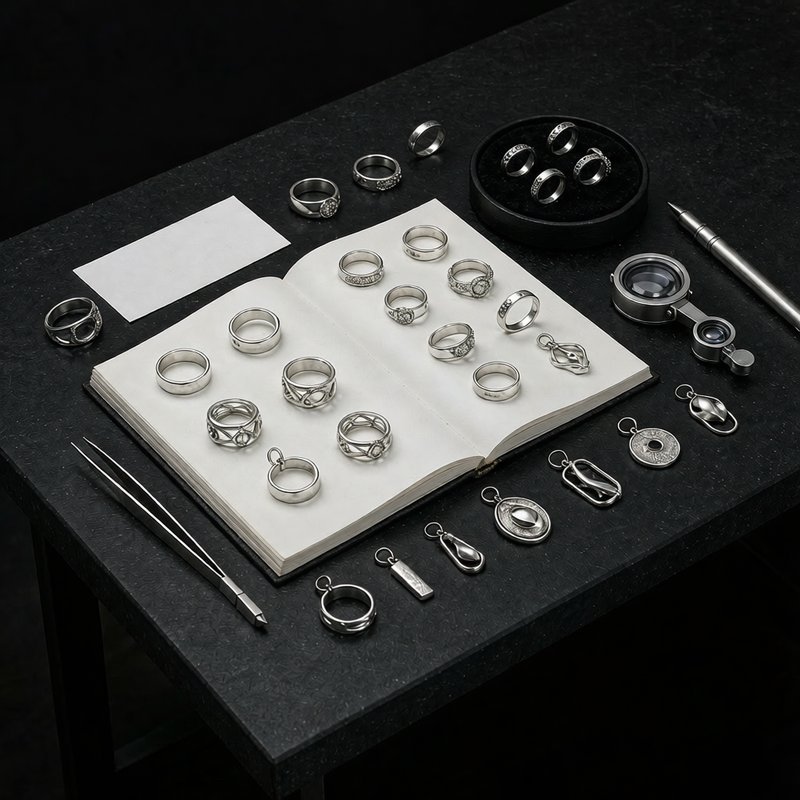
1. Start with material proof, not promises
2. Test the QC process, not just the photos
3. Pressure-test MOQ and flexibility
4. Evaluate sampling speed and communication
5. Protect your designs with NDA and IP terms
Buyer's shortlist — the 6-point scorecard
Certifications
QC process
MOQ flexibility
Sampling speed
Communication
IP protection
Frequently asked
Related reading