Moissanite vs Diamond: Is Moissanite Worth It for Your Brand?
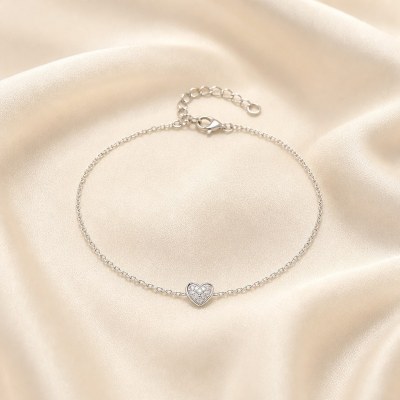
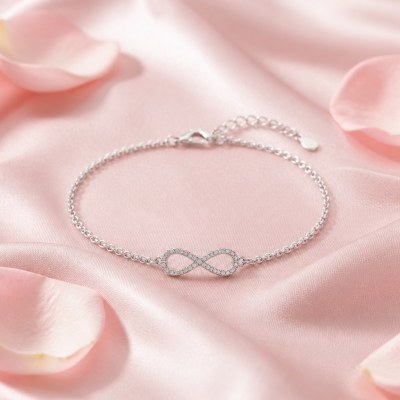
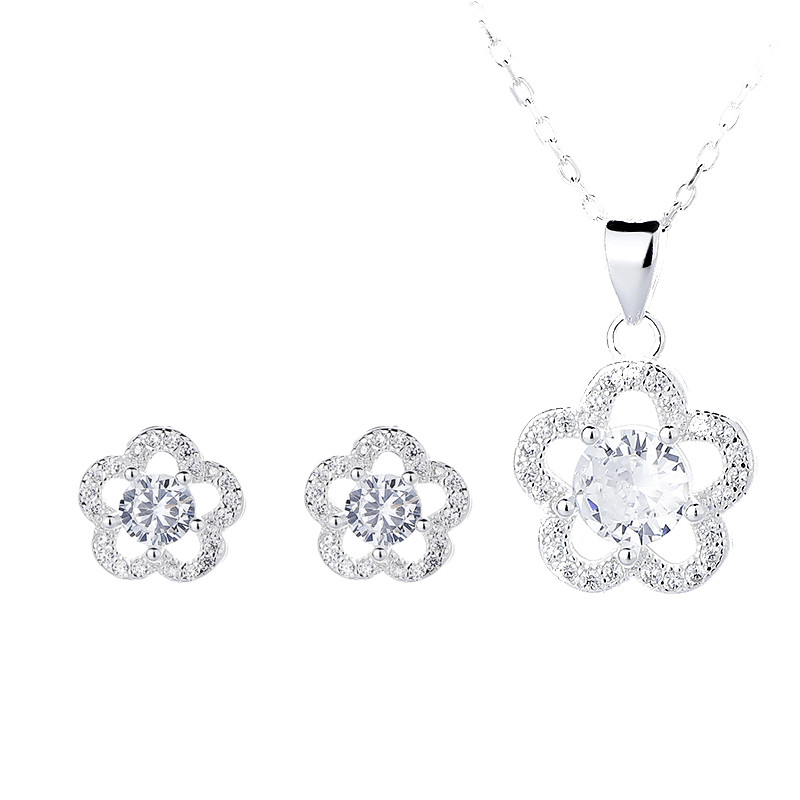
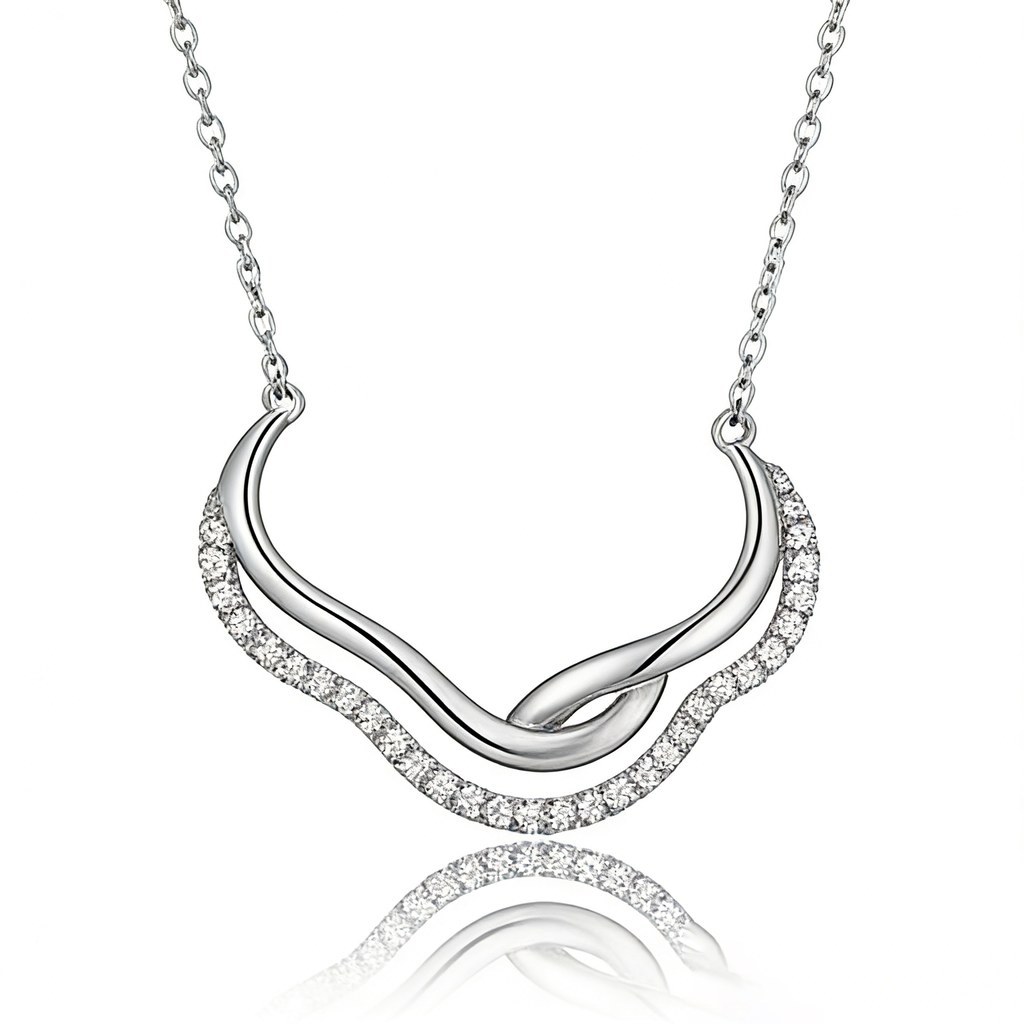
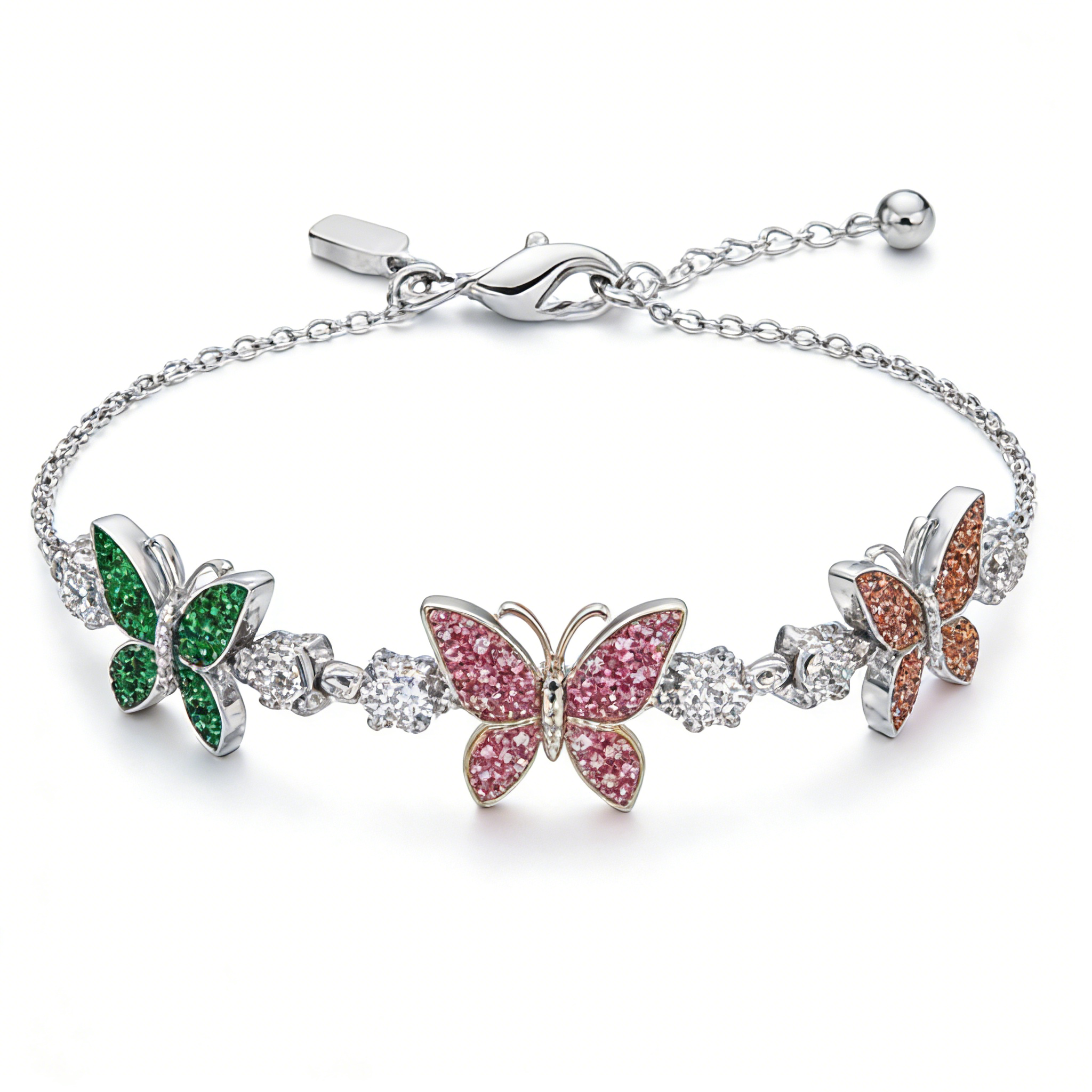
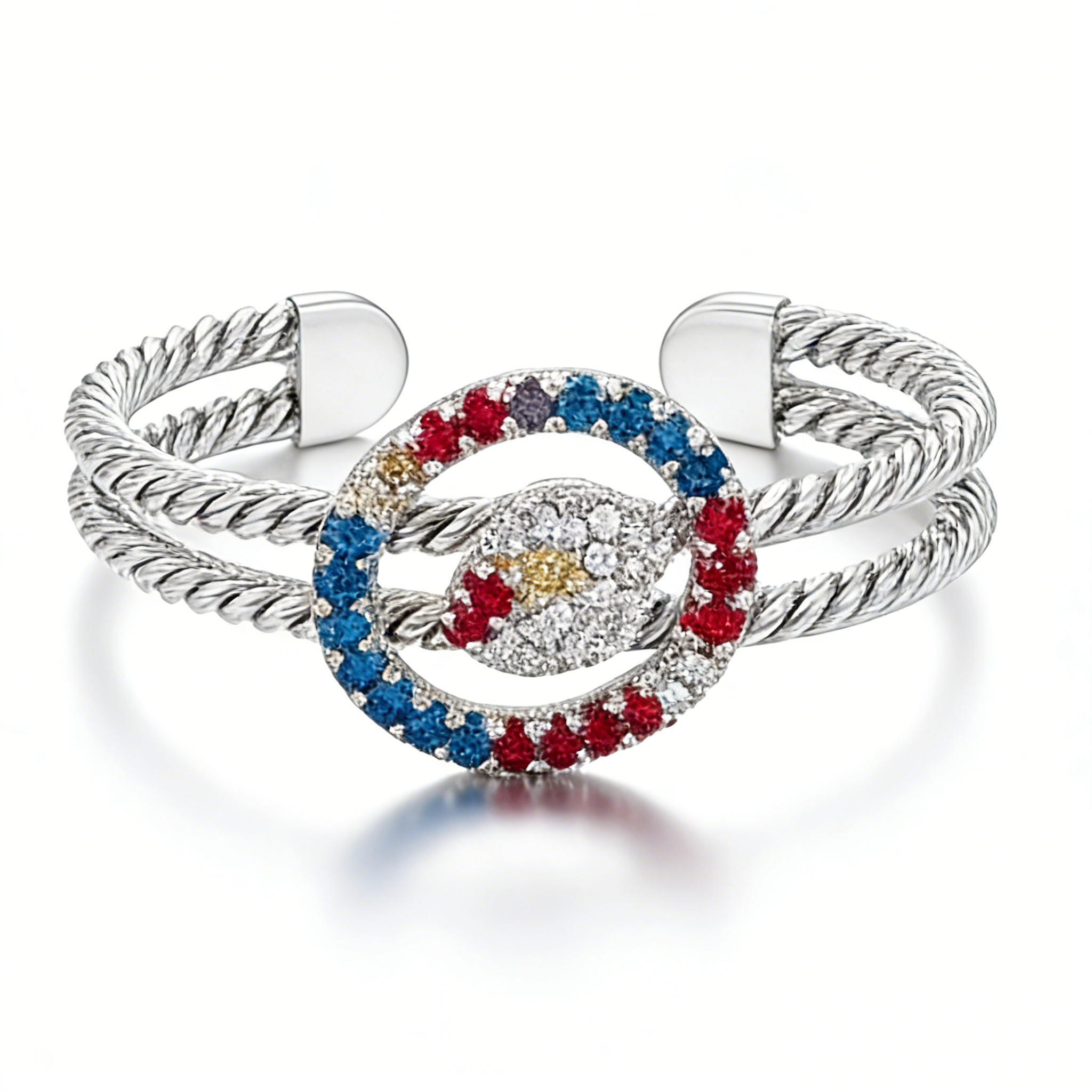
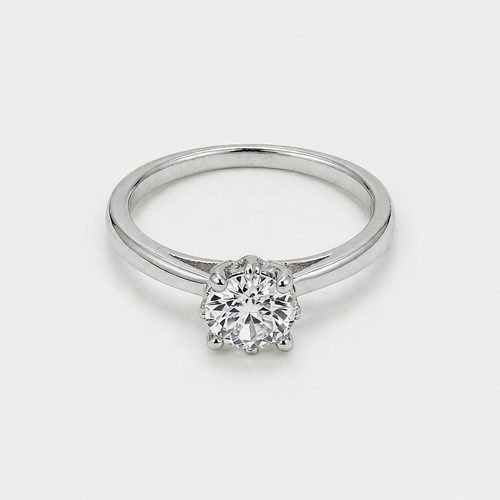
Diamonds set the benchmark, but the real business question for most jewelry brands is whether moissanite can carry a collection at a price point customers will actually pay. This guide compares the two stones across optics, hardness, cost structure, ethics, and positioning — then shows how to test a moissanite 925 silver line before you commit capital. Moissanite is silicon carbide — a crystal first identified in meteor fragments and, today, grown under controlled laboratory conditions. Diamond is crystalline carbon formed deep in the earth over billions of years. Different chemistry, different origin story, and a very different cost structure. What they share is a white, brilliant face-up appearance that most customers find genuinely beautiful. Under store lighting the two stones announce themselves differently. Moissanite's higher refractive index throws more spectral color — the rainbow fire that photographs beautifully and catches eyes across a room. Diamond returns a whiter, stricter light that the fine jewelry market has long read as prestige. Neither look is wrong; they serve different shelves. The commercial point: moissanite reads as more sparkle per dollar, which is exactly what sells in gifting and impulse price bands. One honest caveat: moissanite is doubly refractive, so a trained eye can spot facet doubling through the stone. Position it as moissanite — its own gemstone with its own optical signature — and that transparency becomes part of your brand story instead of a liability. Diamond pricing rises steeply with carat weight and clarity, which pushes fine jewelry into high ticket prices and slow turns. Moissanite inverts that logic: the stone itself costs a fraction of diamond, so your cost concentrates in the silver, the setting, and the finish — inputs you can engineer. A large-looking solitaire in 925 silver becomes a piece you can retail at an accessible price while keeping a healthy margin, and your customer gets the stone size she would pay many times more for in diamond. This is also why moissanite pairs so naturally with 925 silver rather than gold: the accessible precious metal and the accessible stone reinforce the same positioning — real craftsmanship, attainable luxury. On the Mohs scale moissanite scores 9.25 — harder than every gemstone commonly used in jewelry except diamond. For rings, the category that takes the most knocks, that margin matters: moissanite resists everyday scratching far better than softer simulants. Set in 925 silver with a protective plating finished to your spec (0.1 to 0.3 micron) and prongs sized correctly, a moissanite ring is built for years of daily wear, not a single season. A growing share of buyers ask where a stone comes from before they ask what it costs. Moissanite's laboratory origin gives you a clean answer: no mining, a traceable supply chain, and a smaller footprint. Natural diamonds counter with geological rarity and an established resale market, while lab-grown diamonds sit in a middle ground at a higher price than moissanite. Your positioning decides which story your collection tells. The strongest moissanite plays in silver are stone-forward designs: solitaire and three-stone rings, halo settings, tennis-inspired lines, and stud earrings where a larger-looking stone carries the piece. Every standard setting style — prong, bezel, pave, and channel — works with moissanite in 925 silver. Test demand before you scale. Our design library lets you pick proven moissanite-set styles from 25 pieces per design with no plate fee. For original designs, custom samples start at 3 to 5 pieces per style — 3D preview in 1 to 3 days, sampling in 7 to 15 days — and full personalization runs from 100 pieces per design, with the plate fee refunded once your cumulative order reaches 100 pieces. Confirmed custom designs are covered by NDA, and LOGO engraving is available. Decide your retail band, then choose stone size — moissanite lets you upsize the look without breaking the band. Ask your supplier to state color grades and cutting tolerance in writing; consistency across a line is what customers notice. Request REACH test reports for finished pieces — nickel release controlled, lead-free. Never market a piece as 100 percent nickel-free. Approve a physical sample under store lighting, not just a render — fire and color read differently in person. A bright rhodium-tone plating at 0.1 to 0.3 micron sharpens moissanite's sparkle; warmer finishes soften the piece for vintage lines. Sell moissanite as moissanite. Transparent positioning protects reviews, returns, and repeat purchase. Is moissanite a fake diamond? No. Moissanite is its own gemstone — silicon carbide with optical behavior distinct from diamond. It was never marketed as diamond, and we recommend brands present it honestly as moissanite, a stone modern buyers increasingly ask for by name. Will moissanite cloud or change color over time? No. Moissanite is not coated or treated and its color grade is stable. It keeps its optics with normal cleaning, the same as any fine jewelry stone. Which settings work best for moissanite in 925 silver? All of the classics: four- and six-prong solitaires maximize light return, bezels protect edges on bands, and halo or pave builds visible presence at controlled cost. We recommend the setting style based on your stone size and target retail price. How fast can I test a moissanite silver line? Start from our design library at 25 pieces per design with no plate fee, or commission original samples of 3 to 5 pieces — 3D preview in 1 to 3 days, samples in 7 to 15 days. If sell-through justifies it, production of 25 to 40 days takes you to a full run. Plan your moissanite 925 silver line with our team Send us your target price band and stone sizes — we will come back with design options, sample terms, and a production timeline. First, What Exactly Is Moissanite?
Moissanite vs Diamond: Side by Side
Factor Moissanite Natural Diamond Origin Lab-grown, fully traceable Mined; origin documentation varies Chemistry Silicon carbide Crystalline carbon Hardness (Mohs) 9.25 10 Refractive index 2.65 to 2.69 — strong spectral fire 2.42 — white brilliance Cost per carat A small fraction of diamond Climbs steeply with size and grade Resale market Minimal Established Best role Accessible bridal-style and fashion lines Fine jewelry and heirloom positioning Brilliance and Fire: What Customers Actually See
The Margin Math Brands Care About
Durability for Daily Wear: 9.25 vs 10
Ethics and Origin: The Question Younger Shoppers Ask First
Where Moissanite Fits in a 925 Silver Collection
Buyer's Checklist Before You Commit
Fix the price band first
Grade and cut consistency
Compliance paperwork
Sample before scale
Choose the finish deliberately
Position it honestly
Frequently Asked Questions
Keep Reading
Silver pricing follows the international silver market on the day your order is paid, so custom quotes are confirmed at order time — we will walk you through both quoting options when you inquire.