Who is futures customization suitable for?
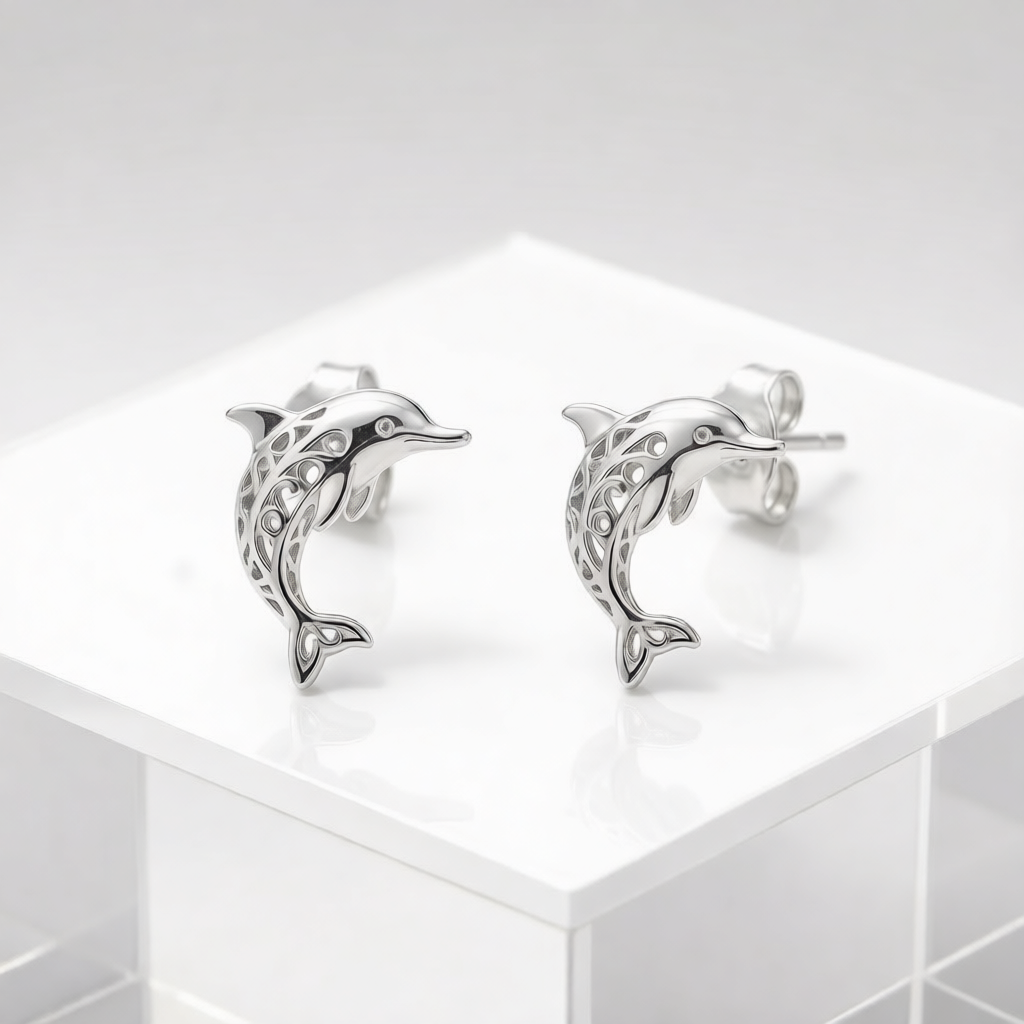
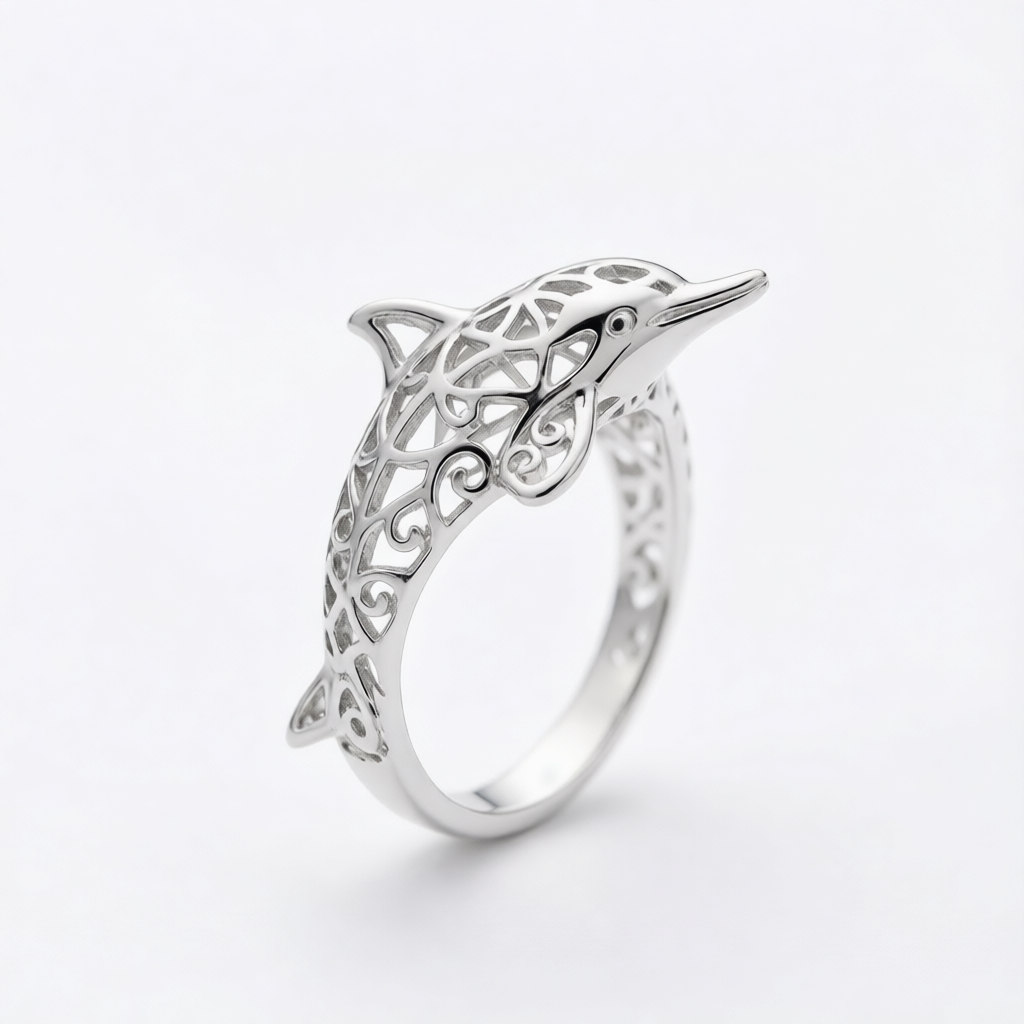
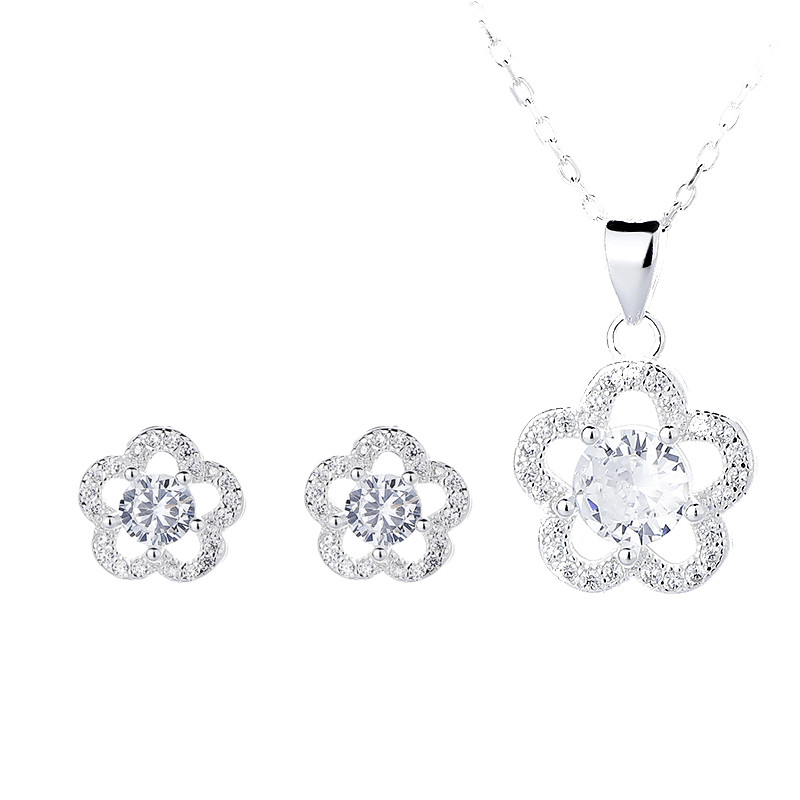
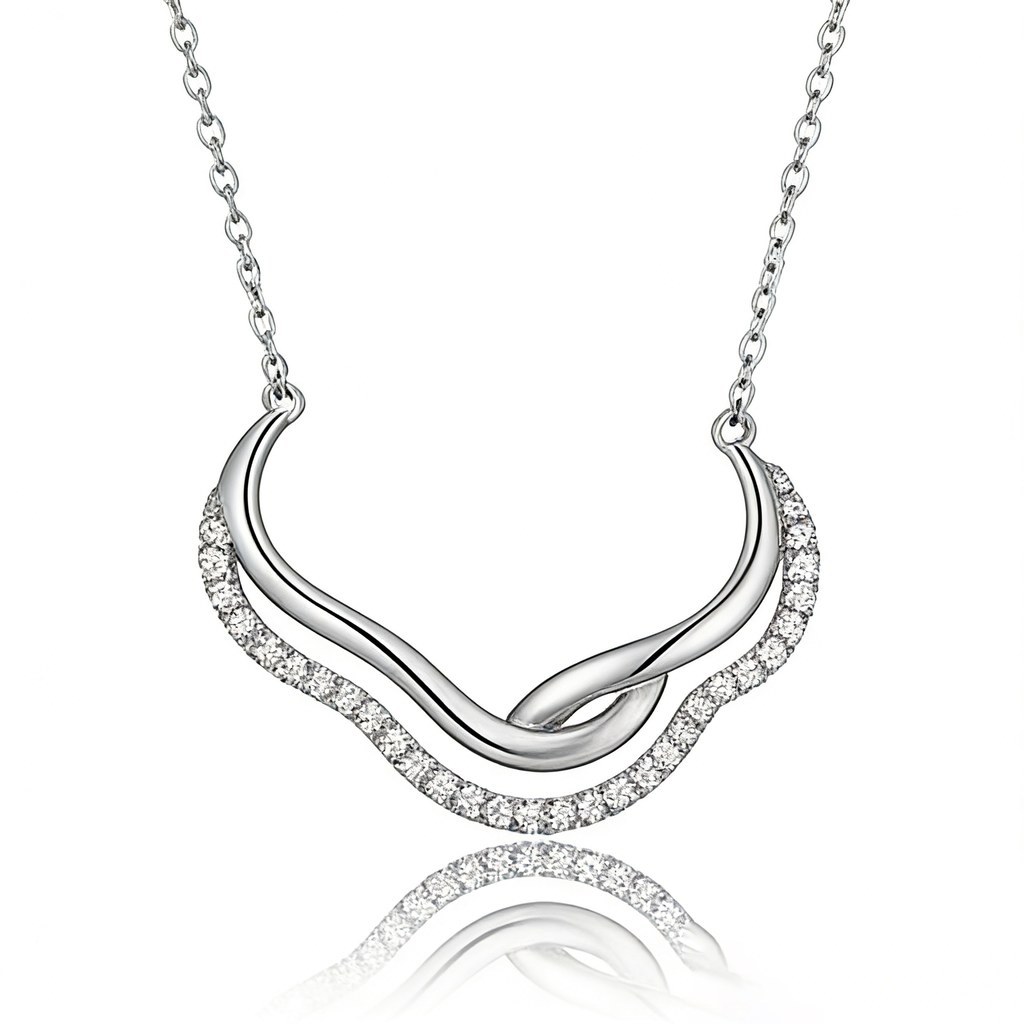
Futures customization at 25 pieces per design suits buyers who want a fast launch and a low-risk market test: independent store owners, wholesalers, e-commerce and marketplace sellers, and emerging designers building a first range. If your priority is proving demand before committing to depth, the futures tier fits better than a deep catalogue minimum.
Buyer types and where futures fits
Indie store owner
Test locally
Launch a small, curated silver range without tying up capital in one big buy.
Wholesaler
Broad but shallow
Carry more designs at lower depth, letting retail partners choose what sells.
E-commerce seller
List fast
Get photos-ready SKUs live quickly, then reorder the winners by real sales.
Emerging designer
Prove the line
Validate a concept with a thin run before investing in bespoke tooling.
How to decide: futures or personalized
- You have a defined own design and want your brand look → personalized (100/design).
- You want to launch fast from proven designs → futures (25/design).
- You are unsure which designs will sell → start with futures and let data decide.
- You have validated winners → reorder, or move strong ones to personalized for a unique look.
What goes wrong if you skip futures
Buyers who jump straight to a deep catalogue minimum to chase a unit price often sit on slow-moving stock. The futures tier exists precisely for the proving stage: it lets you learn with 25 pieces what a 500-piece buy would have taught you far more expensively.
A simple rule of thumb
If the question is "will this sell?", start at 25 from the library. If the question is "how should my own design look at scale?", move to 100 personalized. Futures is the market-testing door; personalization is the brand-building door.
Tell us your channel and we will suggest which designs to start as futures. Map your starter range