

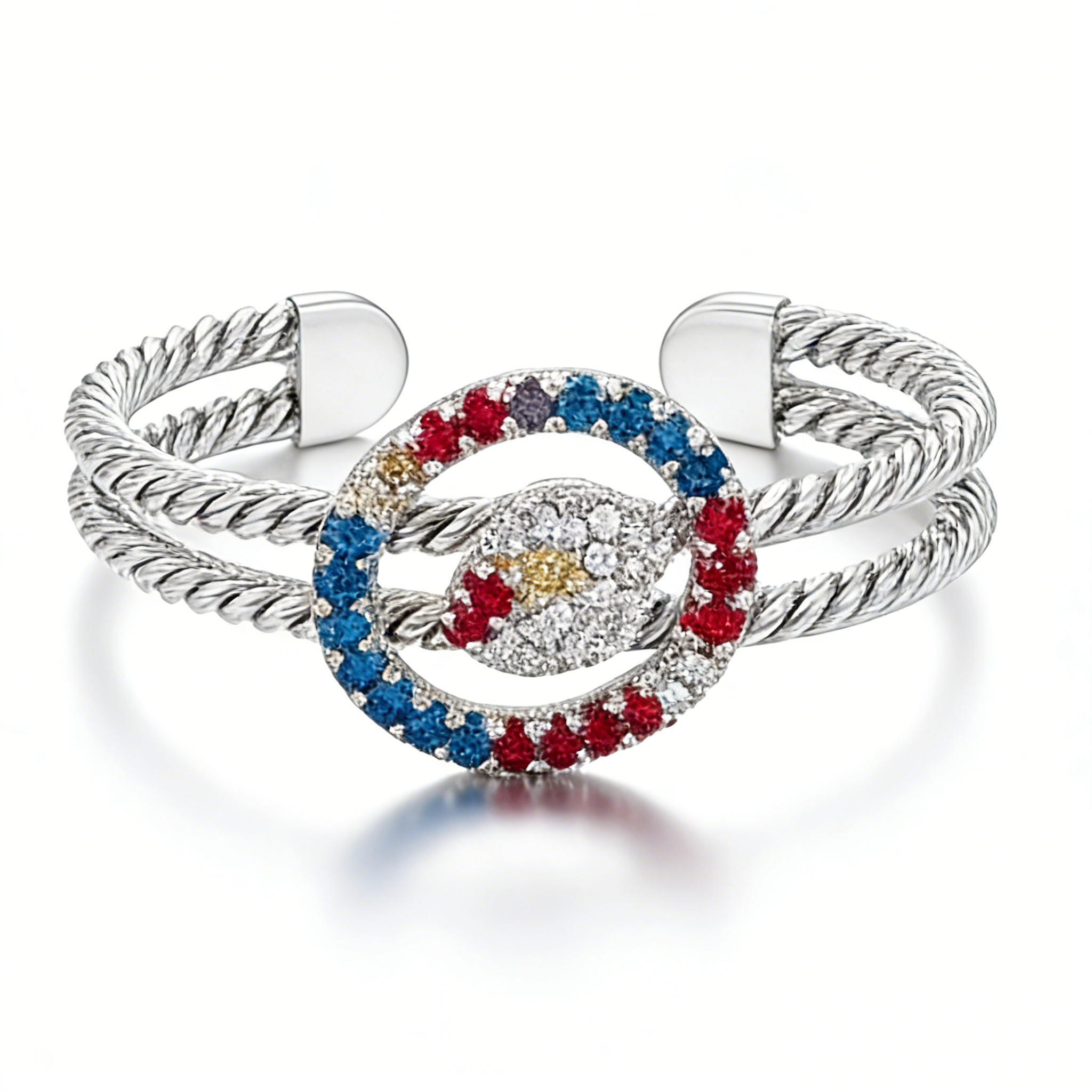

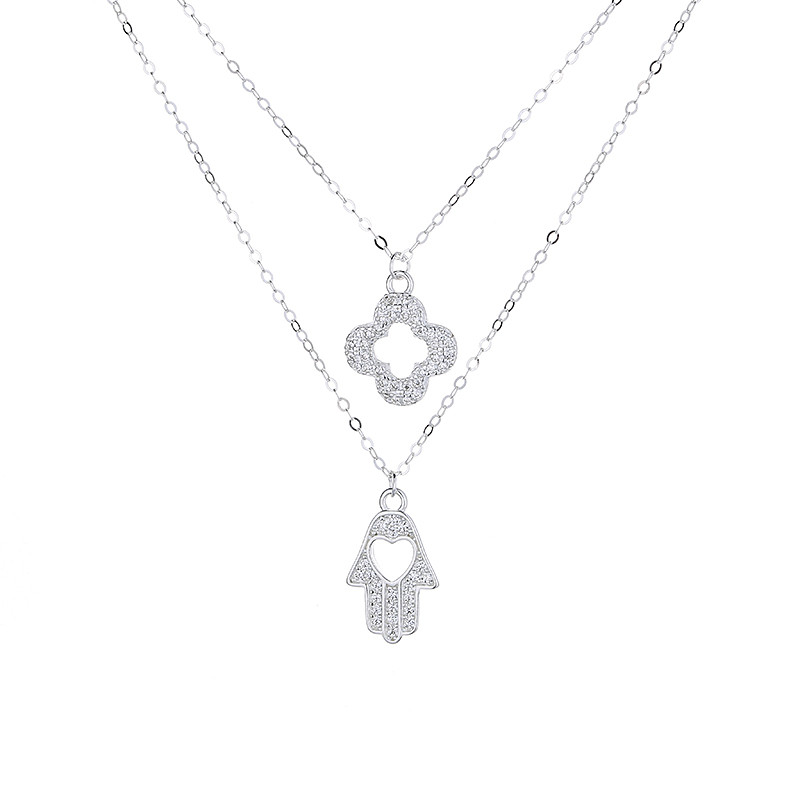
Bench to Box: Controlling 925 Silver Tarnish Before It Ships
Why Production Decides How Fast Silver Tarnishes
Tarnish is a chemical reaction between silver and sulfur in the air, on skin, and in packaging. But how quickly it shows is something a manufacturer controls long before a piece reaches a customer — through alloy sourcing, surface finish, and how the item is packed for a long trip.
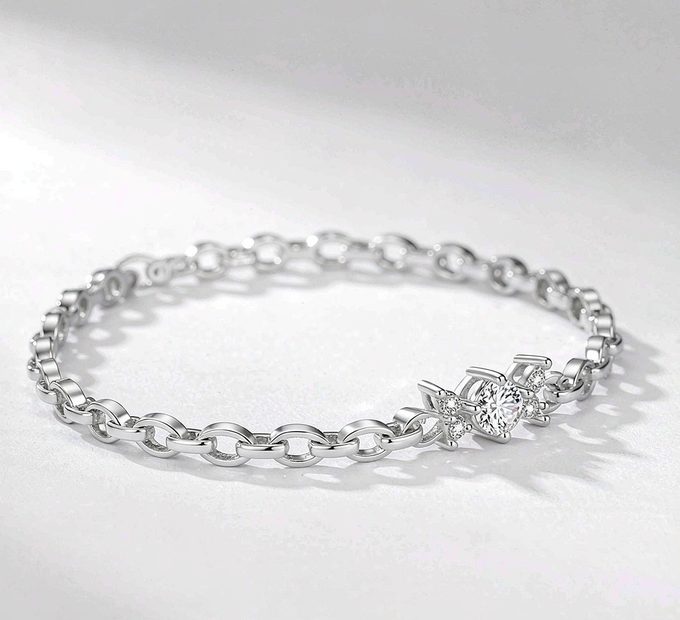
Alloy Control at the Source
At our Haifeng workshop, 925 silver starts from REACH nickel-controlled, lead-free alloy sourcing. A cleaner, tightly specified base resists not only tarnish but also the skin reactions that drive returns. Controlled composition is the first line of defense, and it is set at the material stage — not after the piece is finished.
Plating as the First Barrier
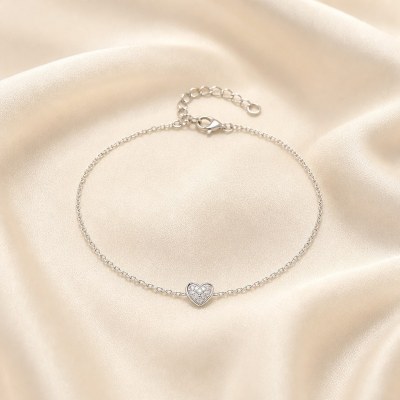
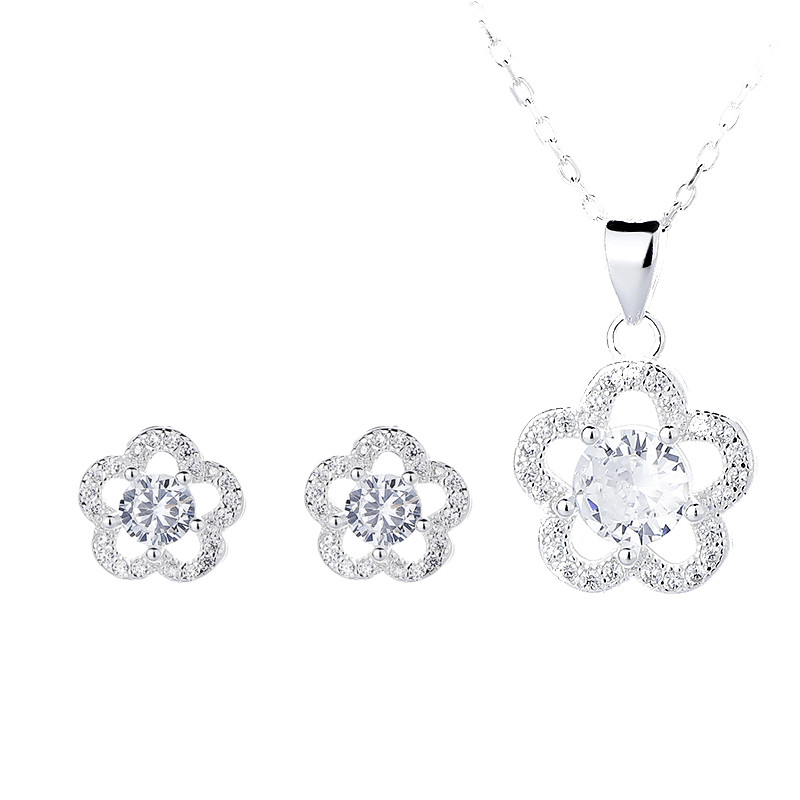
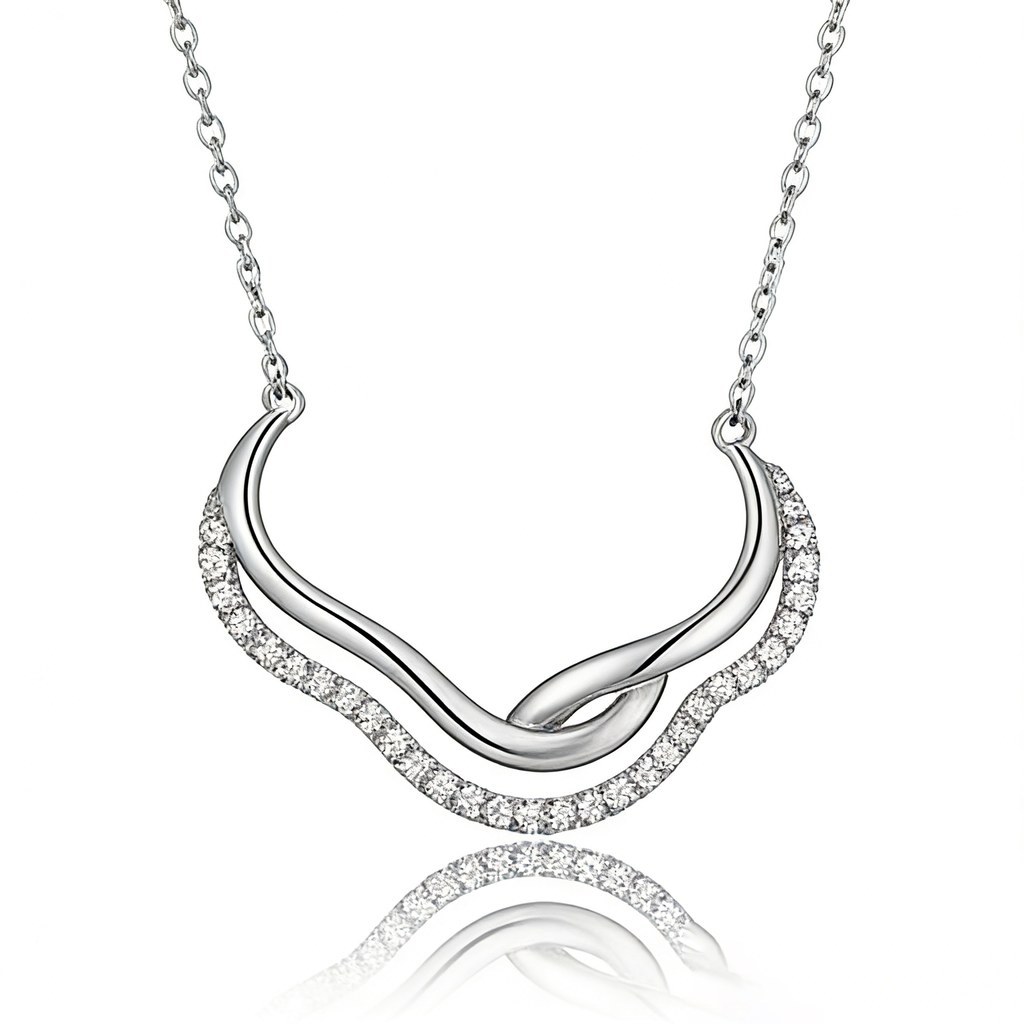
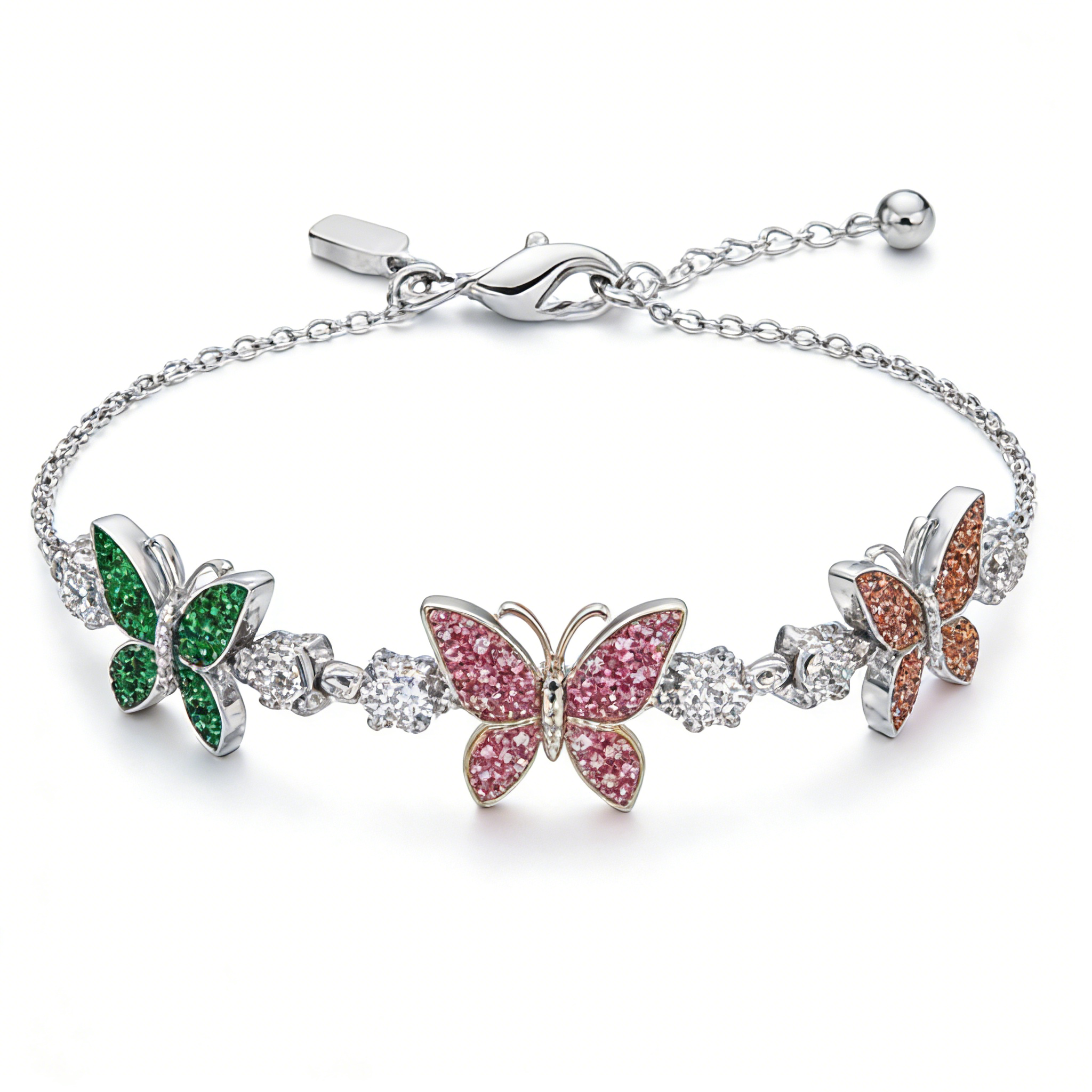
A rhodium, 18K, or rose-gold layer is the most direct barrier between silver and the environment. Our silver plating standard runs 0.1 to 0.3 micron, with thickness adjustable by product type — rings and daily-wear pieces get the heavier end of that range. For custom 925 silver programs, buyers can name the plating spec rather than accept it as given.
Anti-Tarnish Packaging as the Second Barrier
Once finished, pieces ship across oceans to the EU and US. Anti-tarnish packaging — sealed bags with a desiccant or anti-tarnish strip — slows oxidation during transit and storage, so the item arrives as bright as it left the bench. This is a packaging spec buyers can request per shipment, and one we build into every export order by default.
Quality Control Before Worldwide Shipping
Before anything leaves, a second-stage quality control pass at our Guangzhou warehouse checks for surface discoloration and finish consistency. Pieces that do not meet the standard are pulled before dispatch, not after a customer complaint. Clean, dry handling at this stage is the cheapest insurance against tarnish claims.
What to Specify in Your Order
Controlling 925 silver tarnish begins at the alloy level, not on a polishing cloth. If tarnish-related returns matter to your brand, write the spec into the purchase order: plating thickness per product type, anti-tarnish packaging, and an agreed incoming quality control check on arrival. A clear spec turns a vague "keep it shiny" into a measurable standard. See our workshop and process, or review worldwide shipping and handling.