Custom Silver Jewelry with Your Own Logo: A Complete Guide
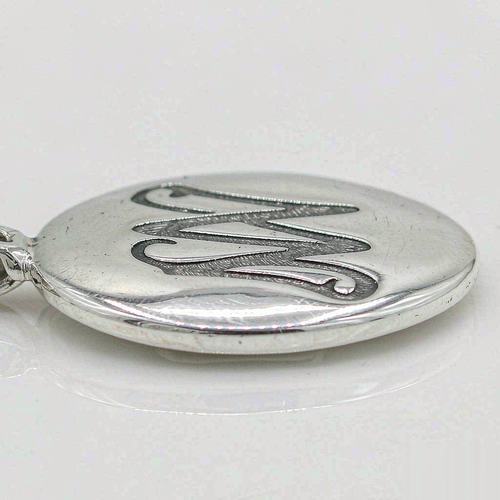
Your designs are locked. The stones, the sizes, the finish — all decided. The one detail that turns a well-made silver piece into unmistakably yours is the mark you leave on it: your logo. Put in the right place, in the right way, it works quietly on every unit you sell — no packaging required. This guide walks through the complete process of adding your own logo to custom 925 sterling silver jewelry: the four ways a mark can be applied to silver, how to prepare the file so it survives engraving, where the logo can actually sit on each piece, what it costs in minimums and mold fees, and how your mark stays protected once you share it. Packaging is the first thing customers throw away. A mark engraved on the piece is not — it travels with the jewelry through every wear, every photo, and every resale. For a growing brand, that small mark does three jobs at once. Recognition. When a customer posts a photo of your pendant, the visible or back-side mark tells everyone where it came from. Over hundreds of units, that is free, compounding exposure no ad budget can replicate. Cohesion. A collection carrying one consistent mark reads as a brand, not a random assortment of styles. The logo is the thread that ties a launch of five pieces to the fifty that follow. Trust. A marked piece can be verified as yours — which matters to stockists, to repeat buyers, and to anyone who eventually resells your jewelry second-hand. Not every logo suits every application method. The right choice depends on the size of your mark, the piece it goes on, and the look you want when a customer turns the jewelry over and looks closely. A practical rule: if your logo must stay readable below about 8 mm, favor laser engraving or a tag; if it can be bold and tactile, stamping gives the strongest brand presence. Logo reproduction on metal is only as good as the file behind it. Engraving and stamping machines follow paths, not pixels — a screenshot or a JPEG pulled from your website will come out with ragged, softened edges. Send vector artwork and the mark stays crisp at any size, from a 5 mm ring engraving to a full-size pendant back. Placement is a design decision as much as a branding one. The most common positions on silver jewelry are: Three factors decide whether a position will work: legibility (the mark must remain readable at final size), surface finish (polished surfaces show engraving more cleanly than heavily textured ones), and curvature (deeply curved surfaces compress fine details). Confirm all three on the physical sample, not just the 3D preview. How deep the customization goes determines the minimums. Here is how the numbers typically break down for logo work: Vector logo attached, sized in millimeters, with placement marked on the piece sketch. Application method chosen — engraved, stamped, etched with enamel, or on a separate tag. Physical sample of the logo approved before mass production starts. NDA signed once the style is confirmed, with ownership of the logo and design files stated in writing. Engraving sequence vs plating clarified, so the mark stays legible through the 0.1–0.3 micron plating layer. Acceptance criteria for the mark agreed — depth, alignment and contrast — before bulk production. Six written confirmations prevent the most common logo complaints: a mark that arrives at the wrong size, in the wrong corner, or too faint to read. Engraving and stamping reproduce the mark in the metal's own tone — they are monochrome techniques. If your brand needs a colored logo, the standard routes are an enamel-filled etch in black or a brand color, or a separately finished logo tag attached to the clasp. A logo engraving cuts only a fraction of a millimeter into the surface, so it has no structural effect on the piece. Because the mark interacts with plating and polishing, it should be planned into production — clarify the engraving sequence against the 0.1–0.3 micron plating layer and approve the result on a physical sample. The NDA is signed once your style is confirmed, with ownership of the logo and design files put in writing. From mold-making to polishing to packing, production stays in-house, so your files touch far fewer hands than in a subcontracted supply chain. Send vector artwork (AI, EPS, SVG or PDF) in single-color black on white, with the final size in millimeters, together with your brief — before 3D modeling begins. That way the mark is included in the 3D preview and approved before any metal is cut. Yes. Custom samples run from 3–5 pieces per style, and bulk production starts only after you approve the sample. Define your acceptance criteria for the mark — depth, alignment, contrast — before sampling so the standard is agreed, not argued later. Send us your logo and a sketch, a reference, or just the idea of the collection you want to brand. We will reply with the right application method for your mark, the exact minimums and mold fee for your design, and a clear path from 3D preview to bulk delivery. Why Your Logo Belongs on the Jewelry Itself
Four Ways to Put a Logo on 925 Silver
Method How it works Best for Look Laser engraving A precision laser etches the mark into the metal surface Fine detail, small text, monograms, batch marks Subtle tone-on-tone, permanent Die stamping A custom die presses the logo into the metal, raised or recessed Bold marks on signet rings, tags, clasps Tactile and highly visible; requires a mold Etched & enamel-filled The mark is etched, then filled with enamel High-contrast logos in black or a brand color Crisp, graphic definition Logo tag or charm A small metal tag bearing the logo is attached at the clasp or chain Pieces too small or textured for a direct mark Flexible; keeps the piece body untouched Preparing Your Logo Files the Right Way
Where Your Logo Can Sit on Each Piece
MOQ, Mold Fees and Timelines for Logo Customization
Buyer Checklist: Six Things to Confirm Before Logo Production
Frequently Asked Questions
Can my logo be reproduced in color on silver jewelry?
Will engraving a logo weaken the piece or affect the finish?
How do you keep my logo and designs confidential?
What logo file should I send, and at what stage?
Can I approve the logo on a physical sample before mass production?
Keep Reading
Put Your Mark on Your Next Silver Line