What's the difference between 925 sterling silver, fine silver, and gold-plated jewelry?
When you source custom silver jewelry, the base material decides the price, the durability, and how the piece feels in hand. The short answer: 925 sterling silver is the practical standard for production because the 7.5% alloy gives it strength; fine silver is purer but softer; gold-plated uses a different base metal under a thin gold layer. Below we answer the questions buyers ask most before they choose a material.
What does "925" actually mean?
925 sterling silver is an alloy of 92.5% pure silver and 7.5% other metals, usually copper. That small addition gives the metal enough hardness to hold stones, resist bending, and survive daily wear. Pure silver alone is too soft for rings, clasps, or stone settings that take pressure, which is why 925 is the global quality standard for silver jewelry.
How does 925 compare with fine silver and gold plating?
Fine silver (999) contains 99.9% silver. It is brighter and more tarnish-resistant, but it bends, scratches, and loses shape quickly, which makes it hard to ship and sell as a steady production line. Gold-plated jewelry on the market usually starts with a base metal such as brass or copper, then receives a thin layer of gold. The color is warm and marketable, but the base metal differs in weight, value, and long-term behavior. If you want the cool tone, heft, and longevity of real silver, 925 sterling is the honest base.
Why does 925 hold its shape in daily wear?
The 7.5% alloy lets us make slim bands, delicate prongs, and hinged cuffs without warping during normal use. For brands that sell online, that structural stability reduces returns from bent or misshapen pieces. Every sample is checked for spring-back, stone tightness, and surface finish before it leaves the workshop.
How is the silver price calculated?
The largest variable in a silver quote is the material cost, and that follows the daily international silver price. Because the spot rate moves, a standard quote is valid for 24 hours from the time it is issued. If payment is not completed within that window, we refresh the quote. For projects with uncertain timing, we can quote the labor and processing fee first, then add the silver material cost at the moment you confirm payment, keeping pricing transparent for both sides.
What stones and plating do you use on 925?
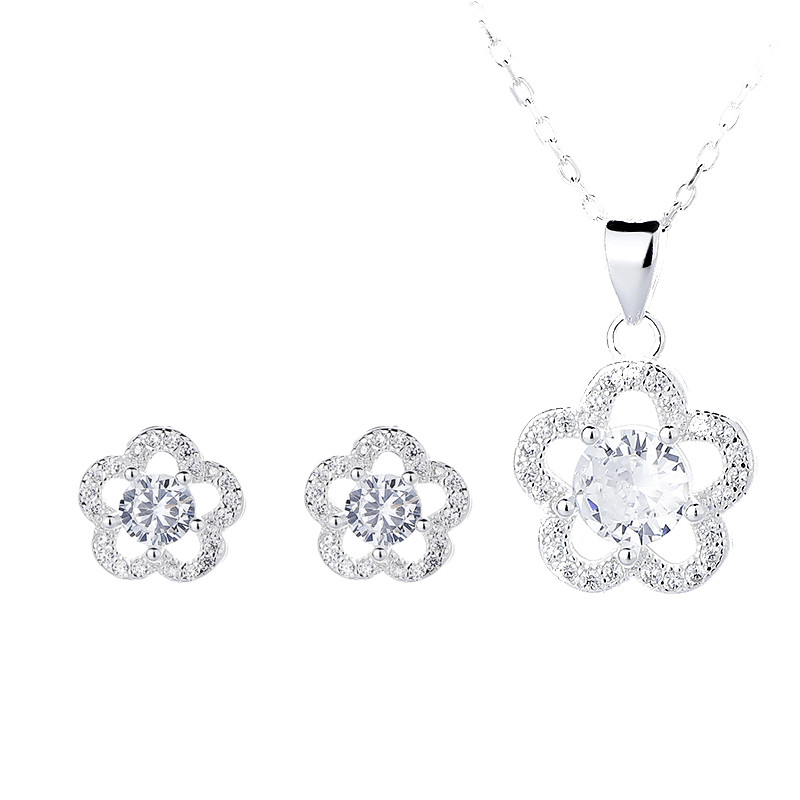
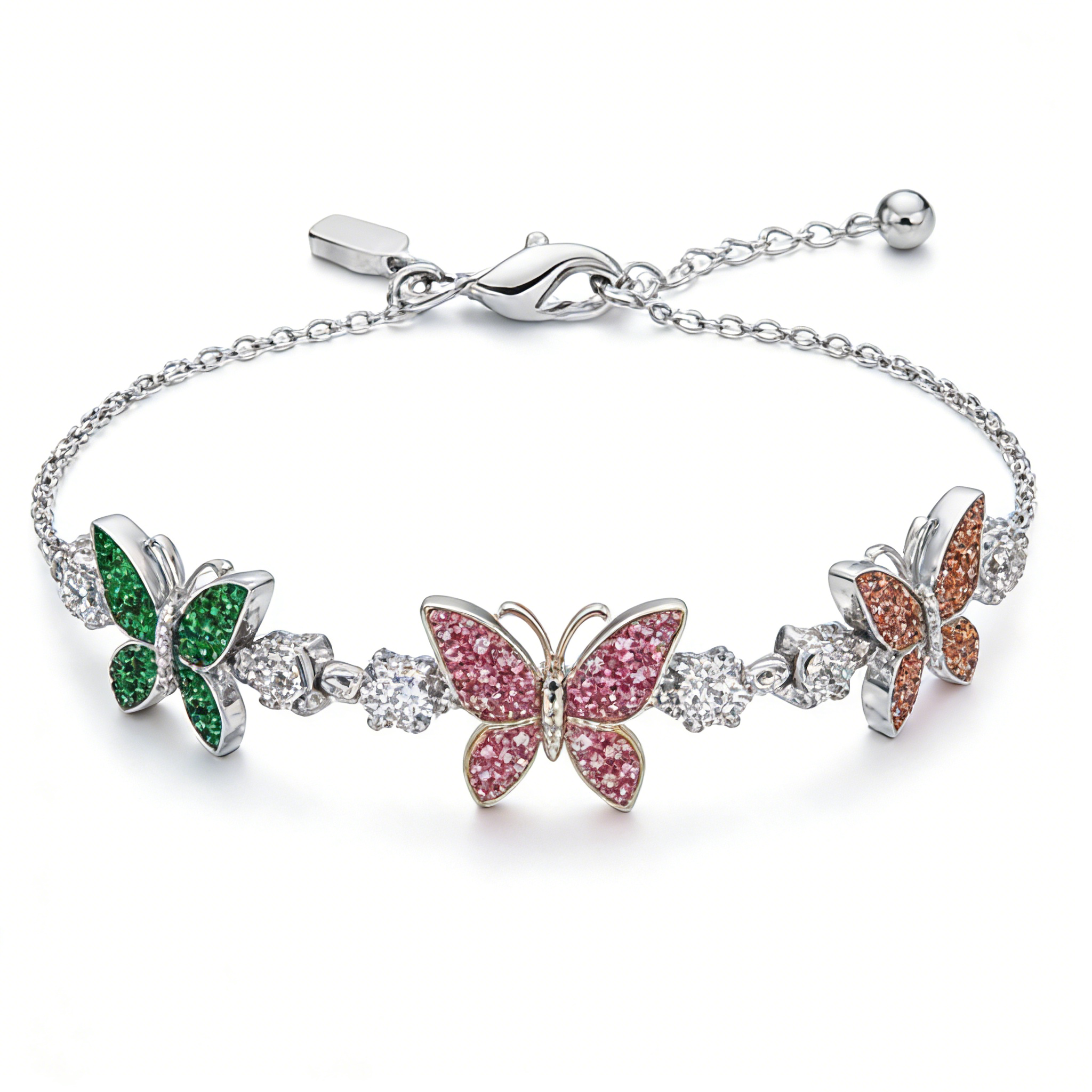
We set AAA-grade cubic zirconia and moissanite into 925 silver. Prongs, bezels, and channels are cut and polished after casting so stones sit securely. We also apply a thin protective layer through plating (0.1–0.3 μm standard, customizable) that slows oxidation without changing the silver color.
How are settings engineered for 925?
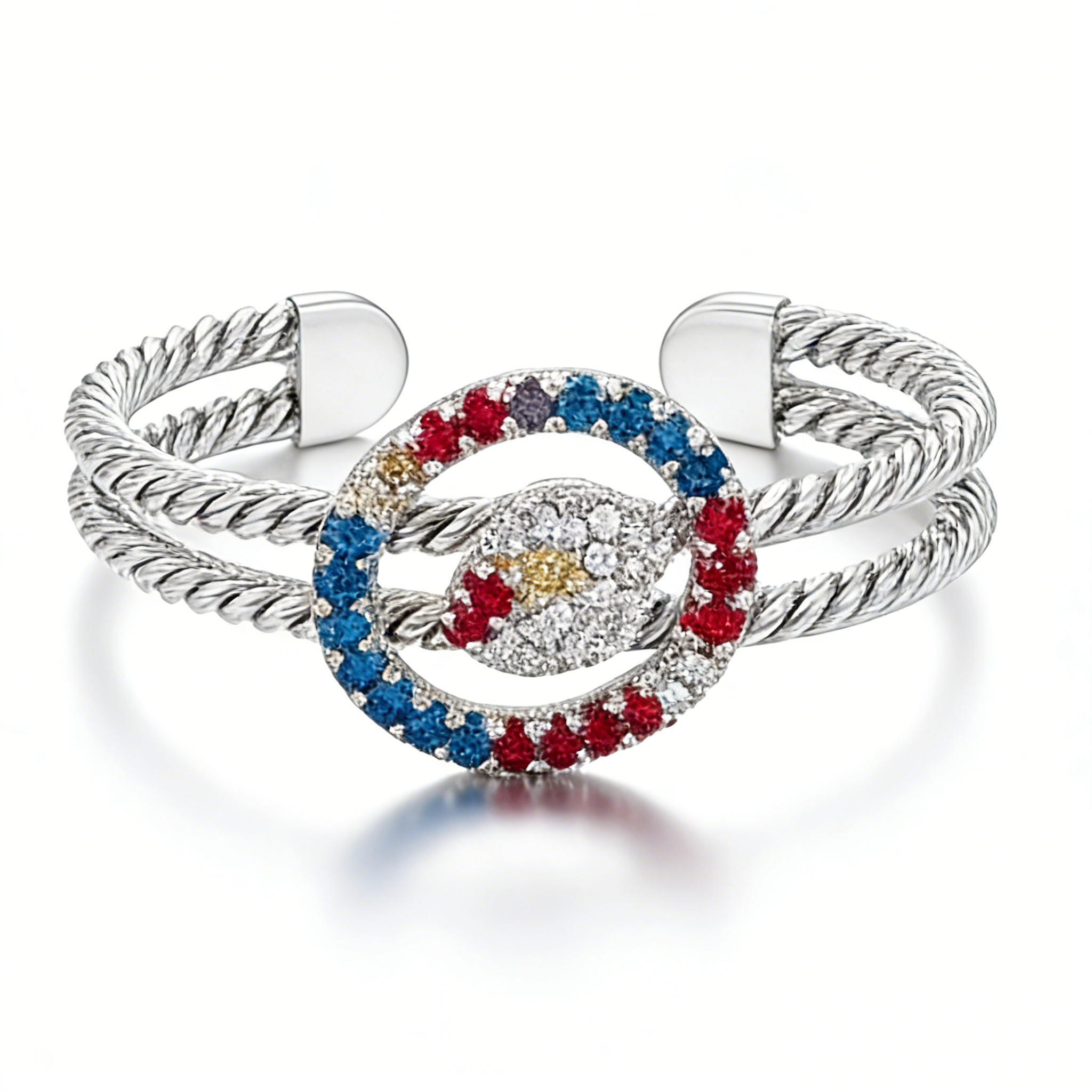
Because 925 balances hardness and workability, we can refine settings under magnification after casting. Prongs are adjusted to grip stones evenly, bezels are smoothed without cracking, and gallery details stay crisp, so the finished piece looks refined up close and holds up to daily handling.
Why does silver tarnish, and how do you slow it?
All silver tarnishes when it meets sulfur in air, water, or skincare. Tarnish is surface oxidation, not a defect or a sign of low-quality material. A light tarnish polishes away with a soft cloth; heavier tarnish responds to a silver-cleaning cloth or mild solution. Storing pieces in a dry, airtight pouch when not worn is the easiest way to keep the bright finish longer.
Which base material should my custom line use?
If your customers want heirloom-style silver, 925 is the right base. If you need the lowest cost and plan to market plating as fashion jewelry, gold-plated base metals are common, but be clear with customers about the material. If you want a brighter, softer artisan look and can accept careful handling, fine silver is an option, though we generally recommend 925 for production stability. Our style-library designs start at 25 pieces with no mold fee; fully personalized designs start at 100 pieces with a $30+ mold fee refunded once cumulative volume reaches 100 pieces.
Quick material reference — 925 sterling silver = 92.5% silver + alloy for strength · Fine silver 999 = softer, more tarnish-resistant · Gold-plated = base metal + thin gold layer · Material cost follows the daily international silver price · Standard plating 0.1–0.3 μm, customizable · We set AAA cubic zirconia and moissanite in 925 silver.
Send your material and sourcing questions and we will recommend the right silver base, plating, and stone mix for your project.