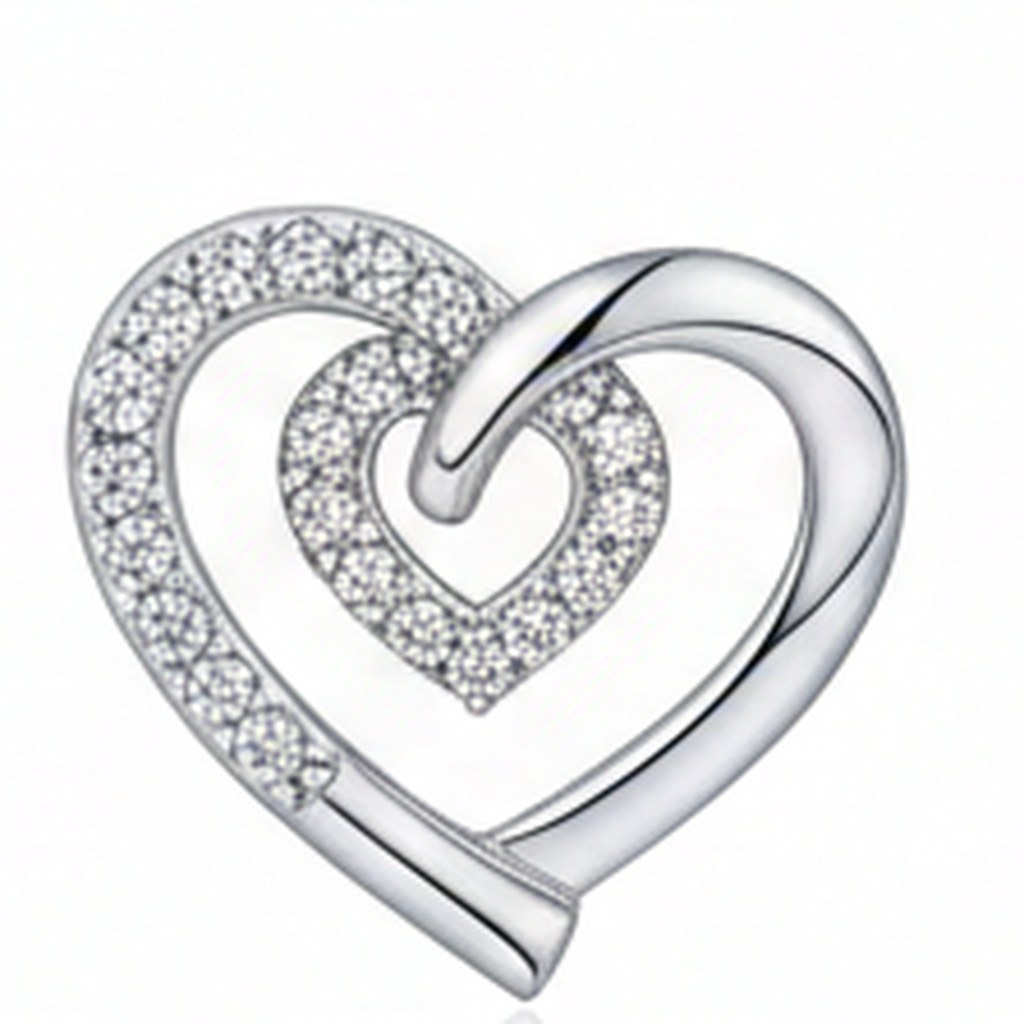
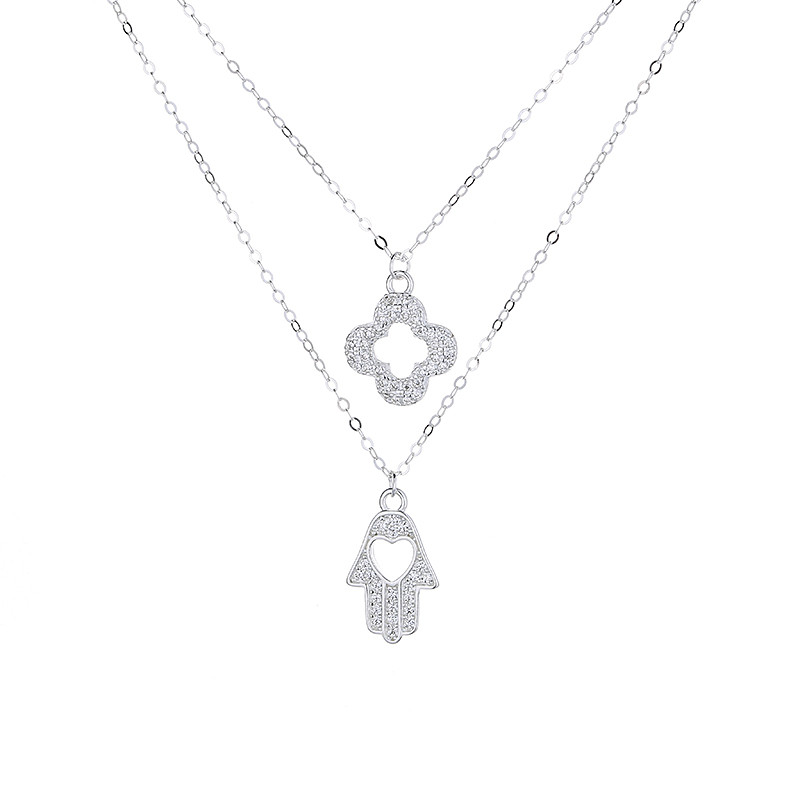
Does 925 Silver Tarnish? Causes, Prevention, and Care
One of the first questions jewelry brands ask when planning a 925 silver line is also the most misunderstood one: does 925 silver tarnish? The short answer is yes — and that is not a flaw. Tarnish is a predictable chemical reaction, not a defect, and understanding why it happens is what separates brands that handle silver confidently from brands that fear it. This guide explains the science behind tarnish, the everyday factors that speed it up, the myths that cost buyers money, and what is actually fixable at the bench. Tarnish is a thin surface film that forms when silver reacts with sulfur-containing gases in the air. The reaction produces silver sulfide — the gray-to-black layer you see on a ring that has sat in a drawer for months. Three facts matter for buyers: So the real question for a brand is never "will it tarnish?" but "how fast, and how gracefully does it recover?" Pure silver (999 fine) is chemically stable but too soft for most jewelry structures — prongs, clasps, and engravings would deform in daily wear. That is why the industry standard is 925 sterling silver: 92.5% silver alloyed with 7.5% other metals, usually copper. The copper gives the metal its working strength, but copper is more reactive than silver. When the environment is humid or sulfur-rich, the copper content accelerates the surface reaction — which is why a 925 piece can show light tarnish within weeks while a silver bar in a sealed vault stays bright for years. This is a deliberate engineering trade-off, not a quality problem. A well-made 925 piece balances durability for stone settings and daily wear against a tarnish rate that routine care easily manages. Coastal salt air, tropical humidity, and industrial pollution all raise the sulfur and moisture load around stored pieces — the single biggest driver of drawer tarnish. Fragrances, lotions, and hairsprays leave residues that react with the alloy. Spraying perfume over an already-worn necklace is a classic culprit. Body chemistry varies; some people's sweat is more acidic or salty, which speeds surface dulling on rings and bangles worn daily. Leather display trays, rubber bands, and some cardboard emit sulfur compounds over time. Storing silver "safely" in the wrong material causes the tarnish it was meant to prevent. Wool fabrics, some paints, and certain foods release sulfur gases. A jewelry box kept near a laundry or kitchen area works harder than one in a dry closet. Notice what is not the top factor: plain water. Brief contact with clean water is a minor issue compared with the chemistry above — a distinction that matters when brands set customer expectations. A densely polished surface reflects light uniformly, so early tarnish reads as a faint warm tone rather than obvious black. Brushed and oxidized finishes naturally mask it further. If your collection targets low-maintenance customers, discussing finish choice with your manufacturer during sampling is far more effective than promising "no tarnish ever." Plating adds another layer of behavior: a 0.1–0.3 micron protective plating slows the reaction underneath — but like all plating it wears gradually, and the alloy beneath is what determines long-term behavior. "Tarnish means the silver is fake." False. Genuine 925 tarnishes because of its copper content; the test is whether it polishes back to a bright, even white — fakes plated on base metal often flake or turn green instead. "Higher purity means zero tarnish." 999 fine silver tarnishes more slowly, but still tarnishes — and it bends, dents, and cannot hold stones securely. For most jewelry structures, 925 remains the right trade-off. "Tarnish is permanent damage." Tarnish is a removable surface film. True damage — pits, scratches through plating, bent prongs — is a different category entirely. "A plated piece means zero maintenance." Plating slows the reaction but does not stop it. Any supplier promising "maintenance-free forever" is selling a claim the metal cannot keep. Before sending a "defective" piece back, it helps to know which category you are looking at: This distinction also matters for returns policy: brands that write "tarnish will develop and is reversible" into their customer communication see far fewer unnecessary returns than brands that stay silent. Alloy specification. Confirm the alloy is 92.5% silver with a documented composition, backed by test reports such as SGS / REACH records. Skin-safety terms. Ask for compliance against EU REACH requirements (controlled nickel release, lead-free) — not a vague "hypoallergenic" sticker. Anti-tarnish handling. Ask how pieces are protected between production and packing: sealing, surface treatment, and packaging choices all affect the condition your customers receive. Finish recommendation. For low-maintenance lines, ask which finishes mask light tarnish best for your target market and price point. Sample behavior test. Wear or store the sample for two to four weeks before approving it. A sample's real-world tarnish behavior tells you more than any brochure. No. Authentic 925 sterling silver contains 7.5% copper alloy, which is exactly why it develops a surface film over time. Counterfeits usually fail differently — base metals turn green or flake. A genuine piece tarnishes evenly and polishes back to a uniform bright white. In normal wear conditions, no. Tarnish is a removable surface film. Only extreme long-term neglect combined with corrosive chemicals can etch the surface — and even then the piece can usually be re-polished and re-plated at the bench rather than discarded. Friction from wearing actually polishes the surface continuously, and enclosed boxes trap humidity plus sulfur gases from storage materials. Pieces worn several times a week often look brighter than identical pieces kept in a drawer for a season. Yes — silver sulfide is a stable compound and is not absorbed through skin. Skin-safety questions should focus instead on the alloy's compliance documentation, such as REACH-conform nickel release and lead-free status, which a responsible manufacturer can provide on request. Tell us your target market and finish preference — we will recommend the alloy, plating, and packaging combination that keeps your line looking right in your customers' hands, not just on arrival.What Tarnish Actually Is — and What It Isn't
Why 925 Silver Tarnishes: The Copper Trade-Off
Five Everyday Tarnish Accelerators
Air & Humidity
Cosmetics & Perfume
Sweat & Skin Chemistry
Storage Materials
Household Sources
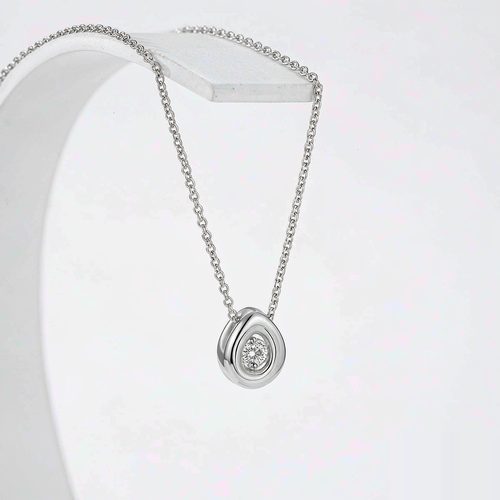
Finish Quality Changes How Tarnish Shows
Four Tarnish Myths That Quietly Cost Buyers Money
Tarnish vs Damage: What the Bench Can Fix
Aspect Tarnish Actual Damage What it is Surface silver-sulfide film Metal or structure altered Appearance Yellow → gray → black, even layer Pits, scratches, green corrosion, bent parts Fixable? Yes — polish cloth, cleaning, or re-polish at the bench Only by rework: re-plating, re-setting, re-casting Prevention Dry storage, keep-away from chemicals, routine care Quality control at production, careful wear habits Buyer Checklist: Questions to Ask Before You Order
Frequently Asked Questions
Does tarnish mean my 925 silver jewelry is fake?
Can tarnish permanently ruin a silver piece?
Why does silver stored in a jewelry box tarnish faster than silver worn daily?
Is tarnished silver safe to wear?
Planning a 925 Silver Collection?
Related Reading